Inside Louvre Abu Dhabi: A Journey Through Art, Design and Cultural Discovery
There is a particular moment that almost every visitor to Louvre Abu Dhabi experiences for the first time. It happens quietly, often without warning. As sunlight filters through the vast geometric dome above and reflections shimmer across the surrounding water, the pace of the outside world begins to disappear. The museum does not simply invite visitors to observe art; it invites them to slow down, wander and experience culture through atmosphere, design and emotion.
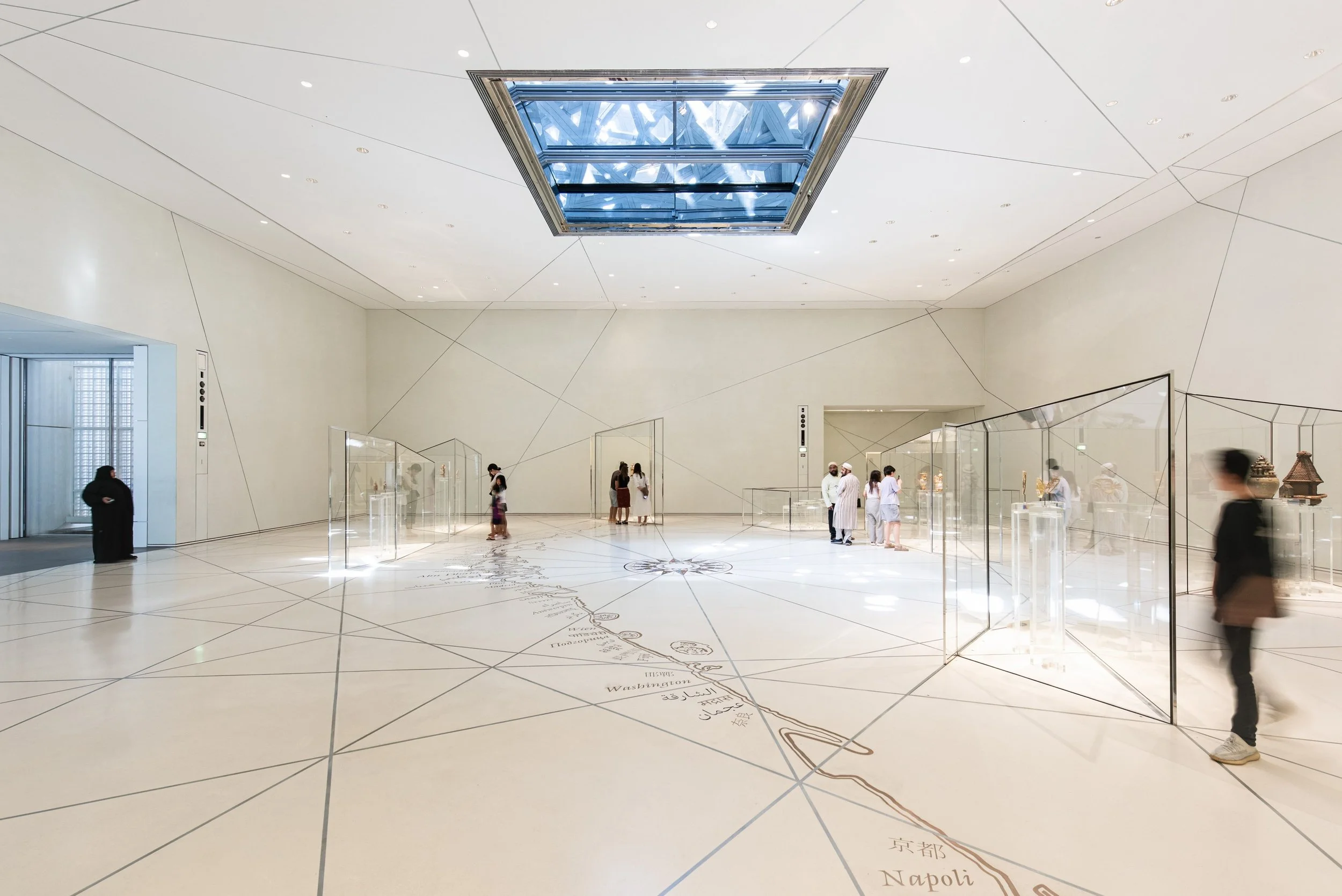
Set against the tranquil coastline of Saadiyat Island, Louvre Abu Dhabi feels unlike any other museum in the region. While its architecture has become internationally celebrated, the true magic of the institution lies in the journey it creates inside. Every gallery, corridor and courtyard has been designed to encourage discovery, balancing intimacy with grandeur in a way that feels both contemporary and deeply human.
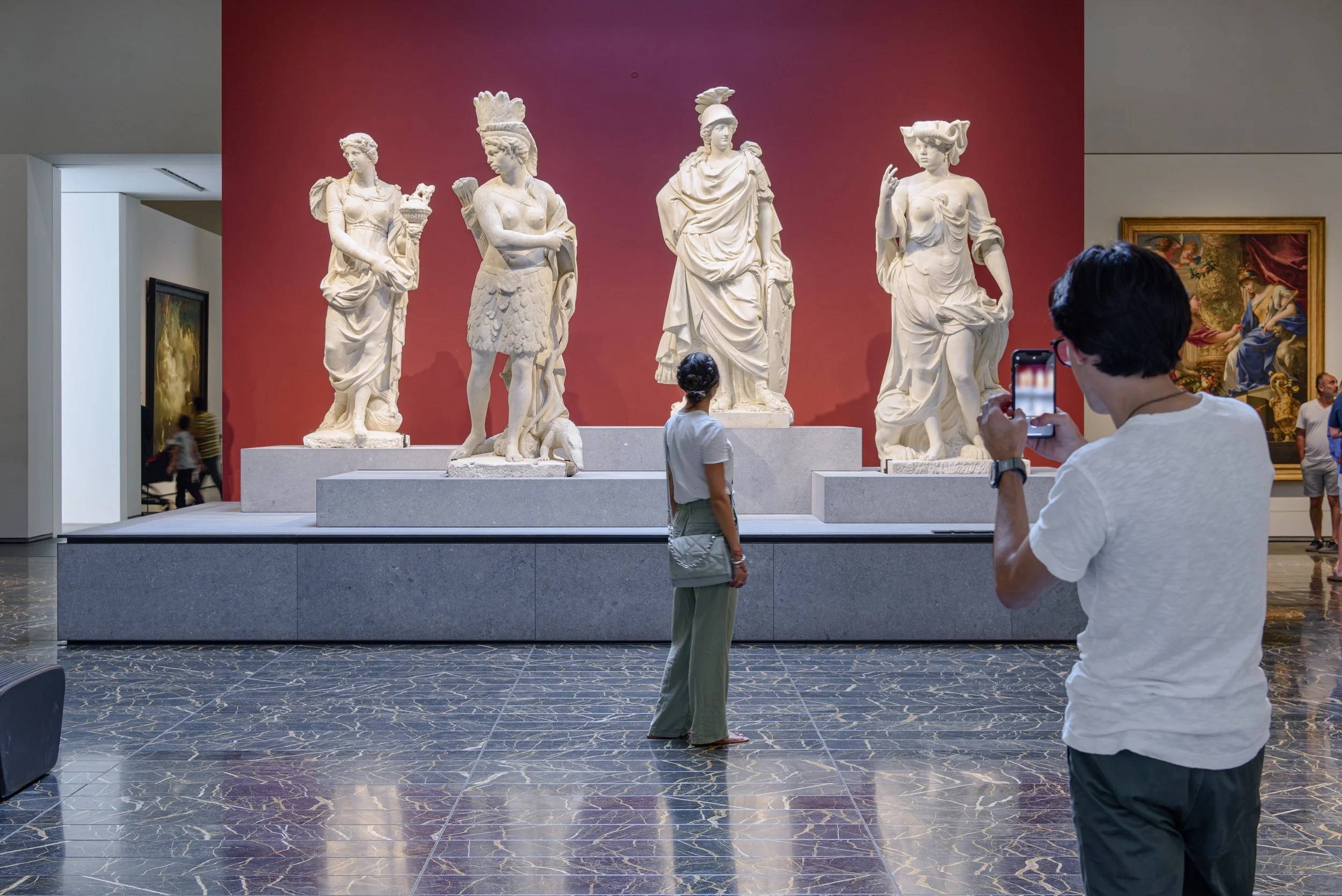
Unlike traditional museums organised strictly by geography or civilisation, Louvre Abu Dhabi takes a universal approach to storytelling. Artworks from different cultures, religions and historical periods are placed side by side, revealing shared human experiences across centuries. Ancient sculptures sit near Renaissance paintings. Islamic artefacts converse visually with Asian ceramics and African works. The result is a museum experience that feels interconnected rather than divided.
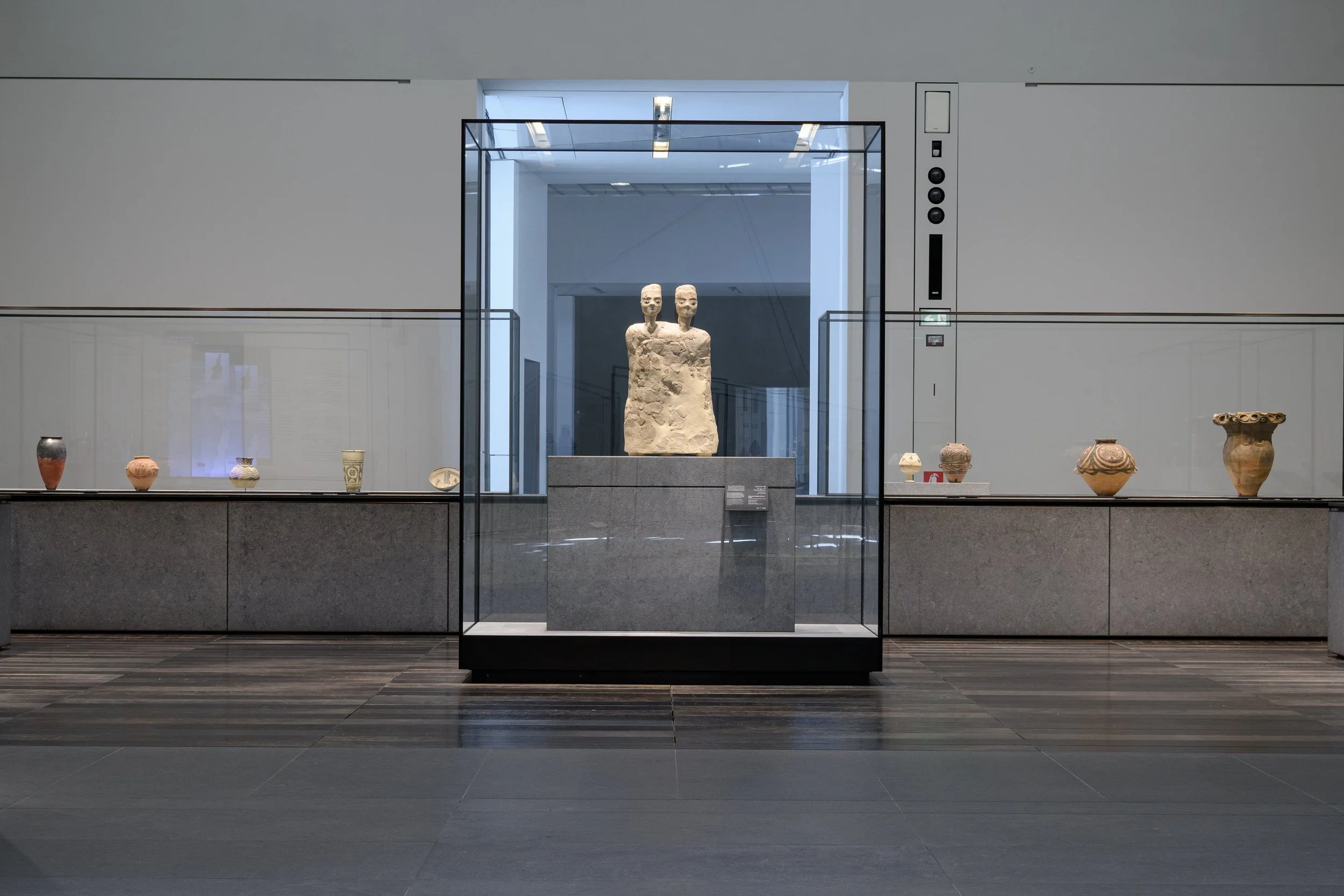
This curatorial philosophy shapes the emotional rhythm of the galleries. Moving through the museum becomes less about chronology and more about understanding humanity through creativity. There is a quiet elegance to the sequencing of the spaces, allowing each room to feel immersive without becoming overwhelming.
The design of the interiors plays a crucial role in this atmosphere. Soft lighting, muted materials and carefully controlled proportions create galleries that feel calm and contemplative. Rather than competing with the artwork, the architecture frames each piece with restraint and sensitivity. Visitors are encouraged to pause, reflect and absorb the details slowly.
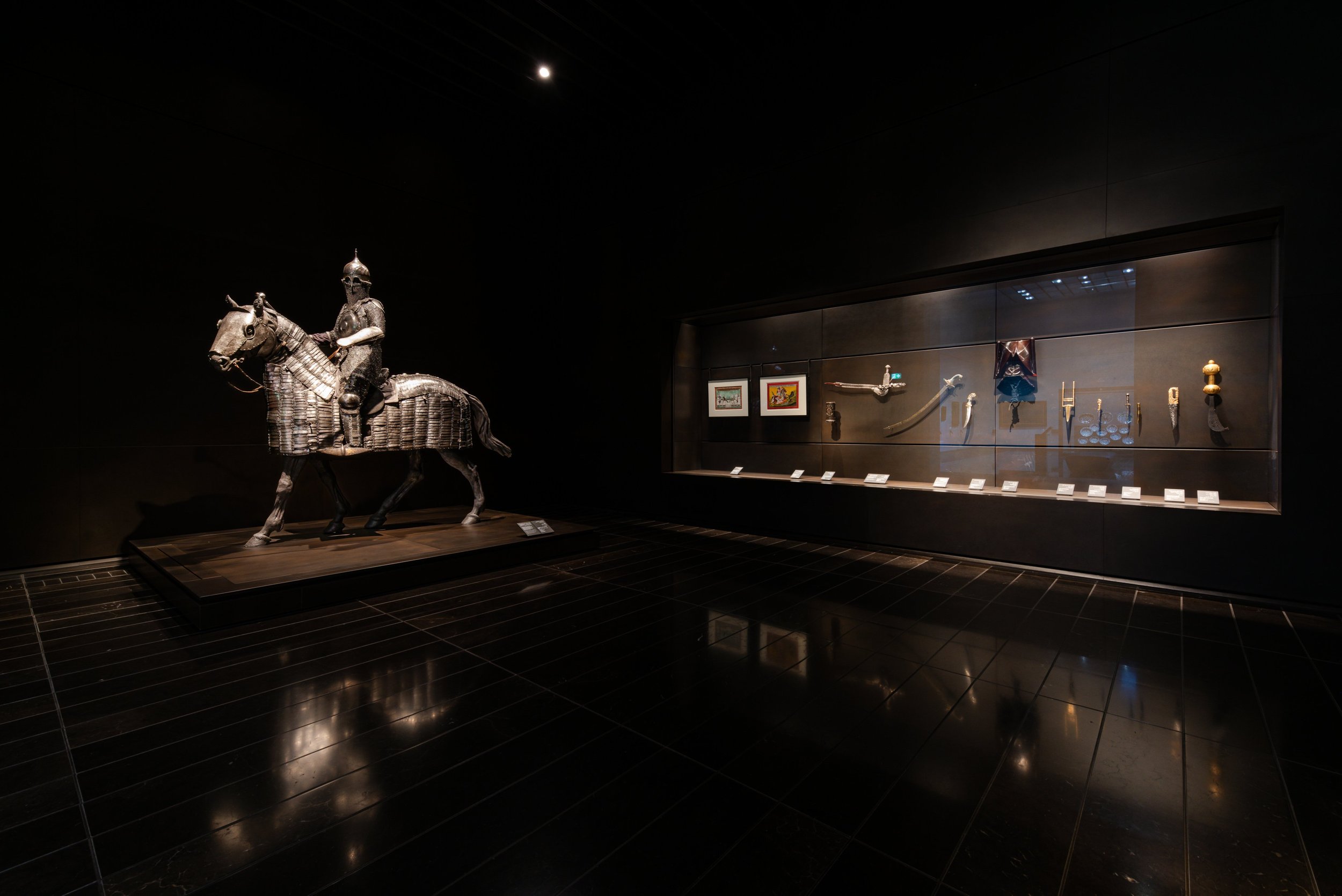
One of the most striking aspects of the museum experience is the constant relationship between interior and exterior space. Throughout the galleries, carefully positioned openings reveal glimpses of water, courtyards and filtered sunlight beneath the dome. These moments reconnect visitors with the landscape outside and prevent the museum from ever feeling enclosed or disconnected from its environment.
The interplay of light throughout the building is extraordinary. As the sun shifts throughout the day, the dome's famous “rain of light” continuously transforms the atmosphere. Shadows move gently across pathways and gallery entrances while sunlight flickers against pale stone surfaces. The experience feels cinematic yet calming, creating a sensory layer that extends far beyond the artworks themselves.
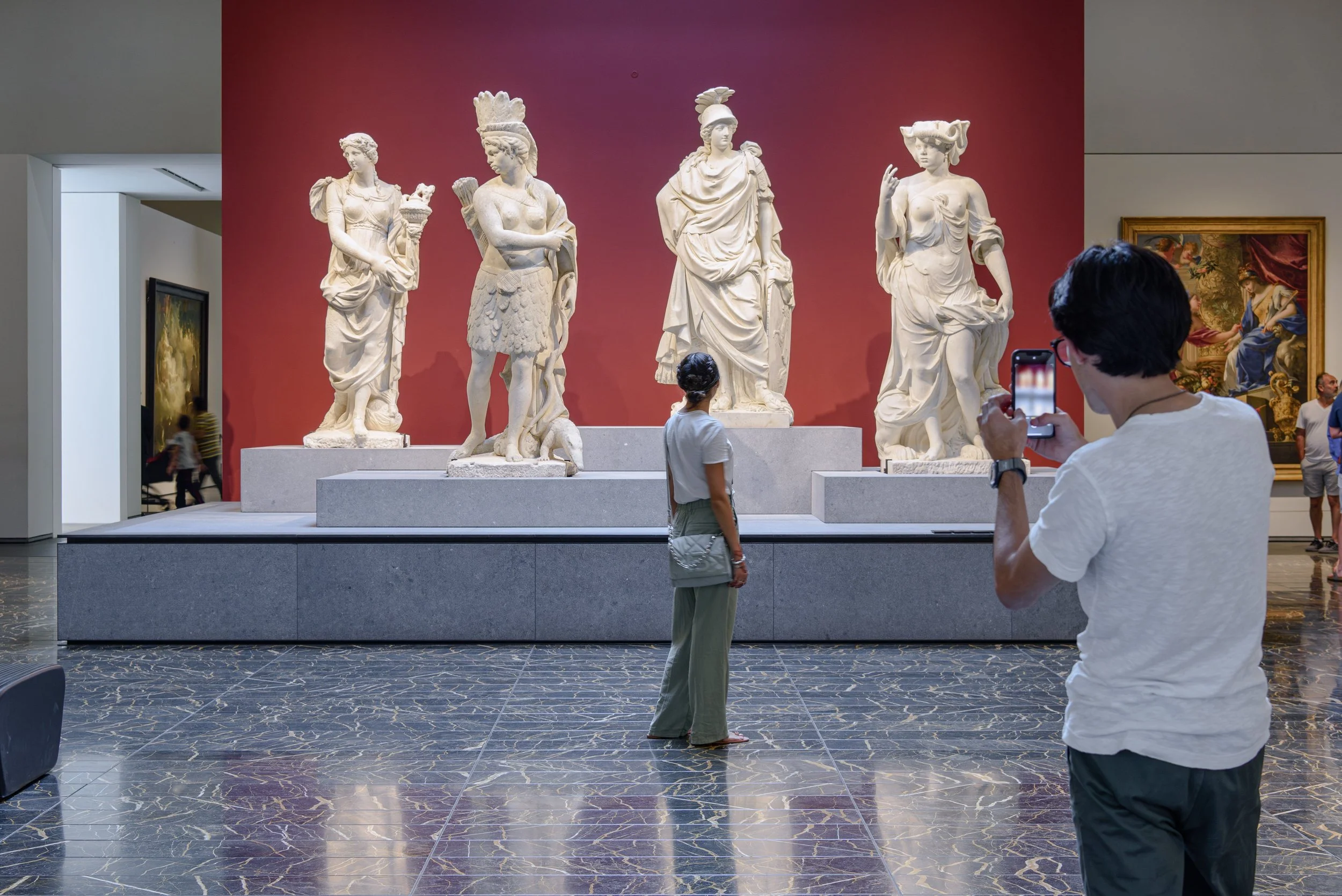
Among the museum’s highlights are galleries showcasing ancient civilisations, sacred texts, portraiture and modern masterpieces. Works by artists including Leonardo da Vinci, Vincent van Gogh and Pablo Picasso sit alongside rare historical artefacts from across the Middle East, Asia and beyond. Yet despite the collection's significance, the museum never feels intimidating. Its design encourages accessibility and curiosity rather than formality.
The Children’s Museum adds another layer to the experience, creating an engaging environment where younger visitors can interact with art and storytelling in playful, immersive ways. Elsewhere, temporary exhibitions regularly introduce new themes and international collaborations, ensuring the museum remains dynamic and constantly evolving.
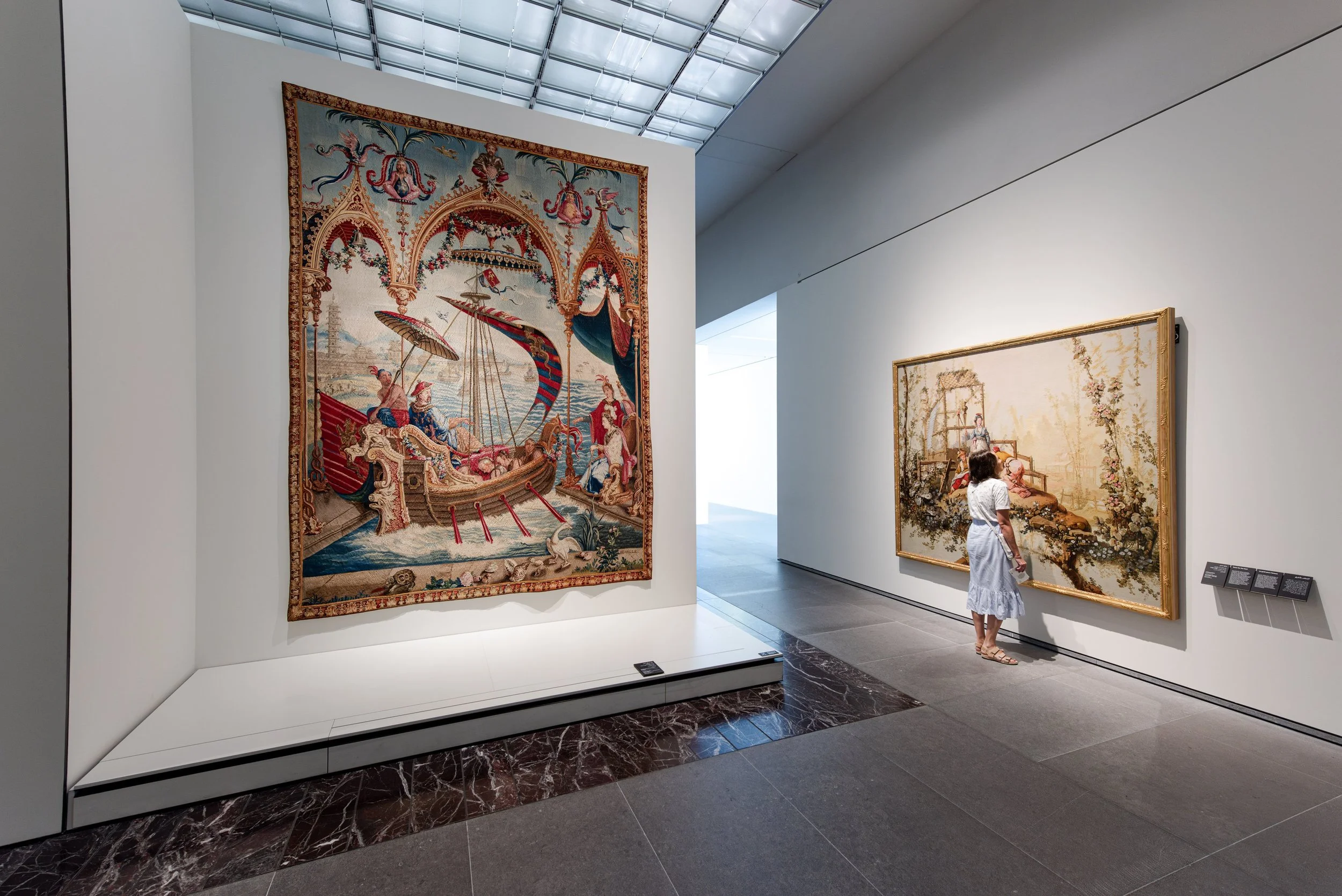
Beyond the galleries themselves, Louvre Abu Dhabi succeeds because of the emotional atmosphere it creates throughout the entire complex. Open-air courtyards invite visitors to pause beside the sea. Quiet walkways encourage reflection between exhibitions. Cafés and terraces provide spaces to absorb the surroundings while watching the light shift across the dome overhead.
Even the transition between spaces has been thoughtfully choreographed. Narrow passageways suddenly open into expansive plazas. Darkened galleries lead into sunlit courtyards. Water appears unexpectedly between buildings, creating moments of surprise and stillness throughout the visitor journey. The museum feels less like a sequence of rooms and more like a carefully composed narrative unfolding gradually over time.
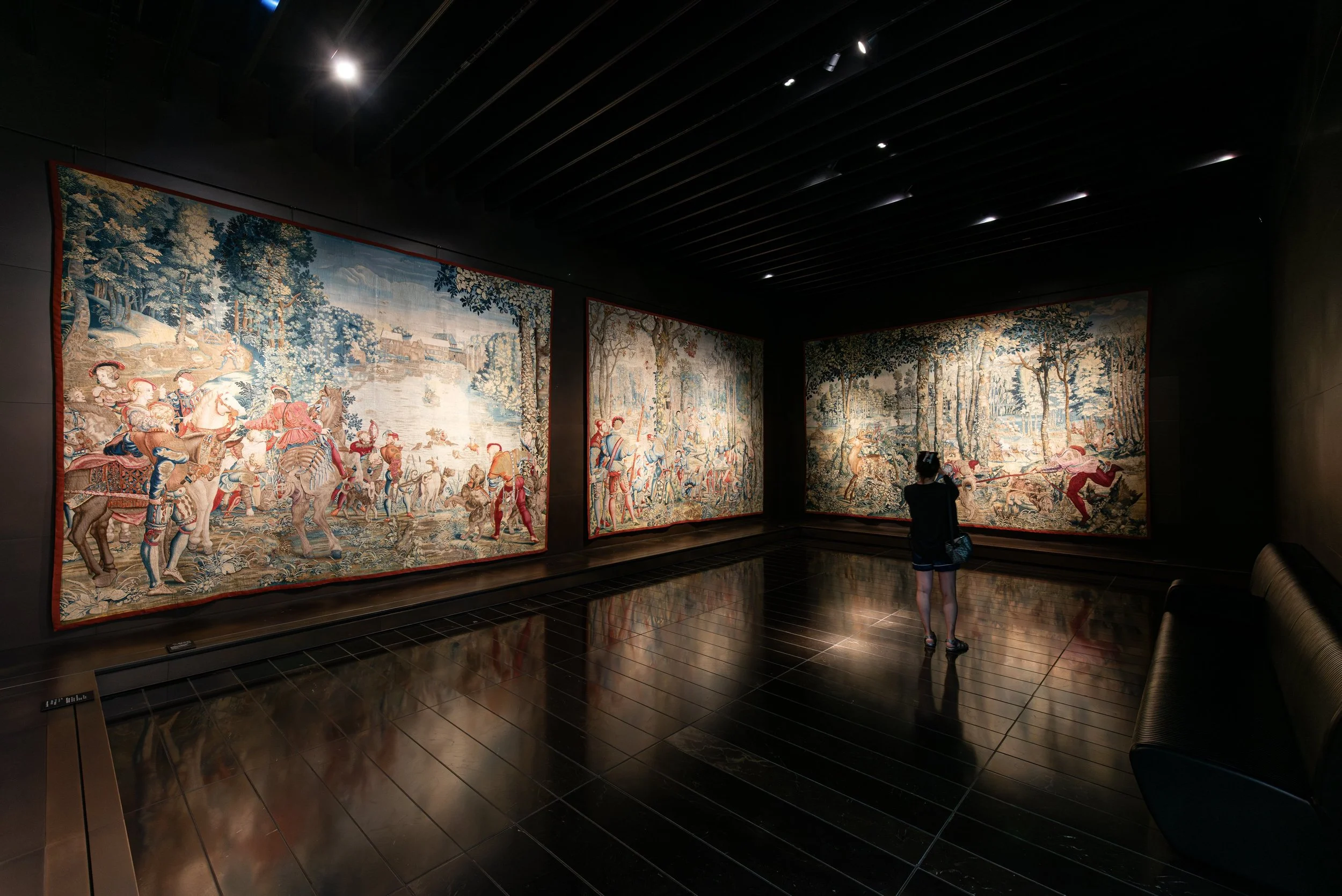
Photography enthusiasts are naturally drawn to the museum’s visual drama. Every angle offers new compositions of light, geometry and reflection. The contrast between the white gallery volumes and the intricate metallic dome creates endlessly changing perspectives throughout the day. Sunrise and sunset are particularly captivating, bathing the museum in soft golden tones that enhance the building’s dreamlike quality.
What also distinguishes Louvre Abu Dhabi is its role within the UAE's broader cultural identity. The museum represents a significant shift towards positioning art, education and cultural dialogue at the centre of the region’s future. Rather than existing solely as a tourist attraction, it functions as a place of exchange, bringing together global perspectives while remaining deeply connected to its Middle Eastern setting.
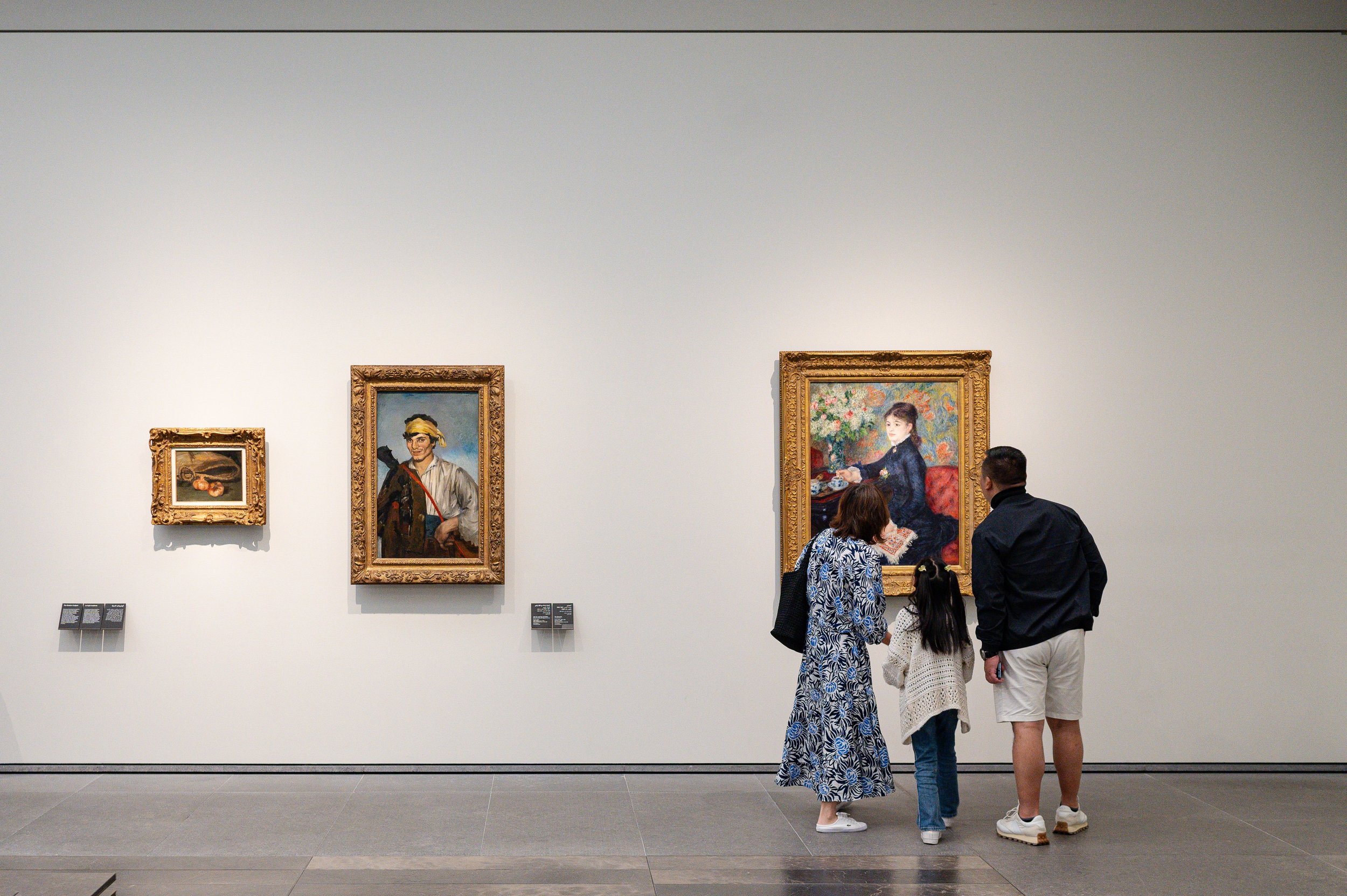
For many visitors, the experience lingers long after leaving. Perhaps it is the silence beneath the dome, the movement of light across the walls or the juxtaposition of artworks spanning thousands of years. More than anything, Louvre Abu Dhabi succeeds by evoking emotion through design. It understands that museums are not only places to display objects, but places capable of shaping memory, curiosity and human connection.
As night falls across Saadiyat Island and the dome begins to glow softly against the water, the museum transforms once again. Reflections ripple across the Arabian Gulf, and the galleries settle into stillness. In these quieter moments, Louvre Abu Dhabi feels less like a destination and more like an experience suspended between architecture, art and atmosphere — a cultural sanctuary designed not only to be seen, but deeply felt.
More Stories