Natural History Museum Abu Dhabi: Architecture as a Geological Narrative
Rising from the evolving cultural landscape of Saadiyat Island, the Natural History Museum Abu Dhabi is not simply a museum; it is an architectural proposition. A building that seeks to embody time itself. Conceived as a journey across 13.8 billion years, the project moves beyond exhibition design into something far more ambitious: an attempt to spatialise the history of the universe through form, material, and sequence.
Designed by the Dutch architectural practice Mecanoo, the museum positions itself at the intersection of science, storytelling, and sculptural architecture. It is part of a wider constellation within the Saadiyat Cultural District, a masterplan that is rapidly redefining Abu Dhabi as one of the most significant cultural capitals of the 21st century.
© Natural History Museum Abu Dhabi | حقوق الصورة: © متحف التاريخ الطبيعي أبوظبي
Architecture Shaped by Time and Terrain
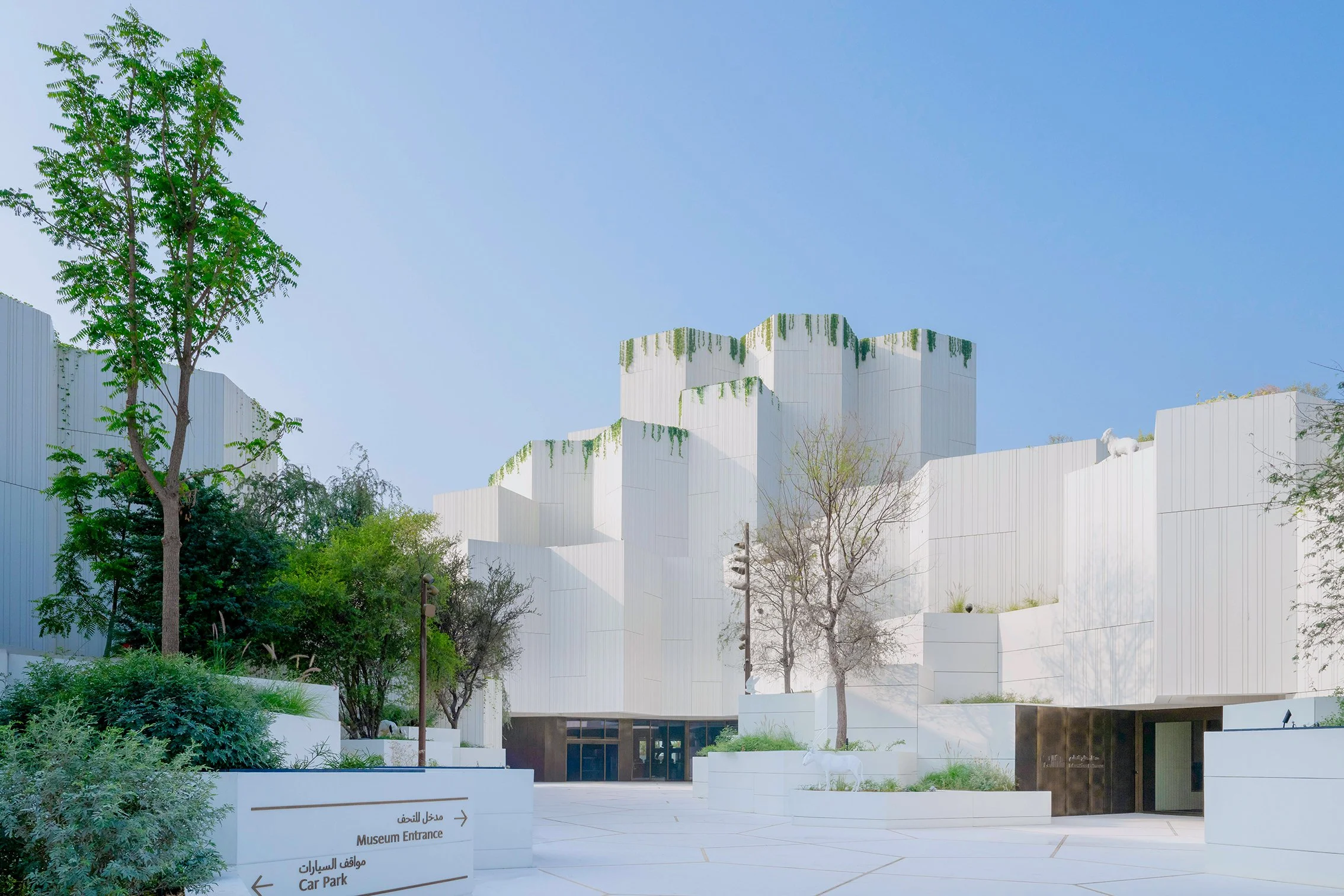
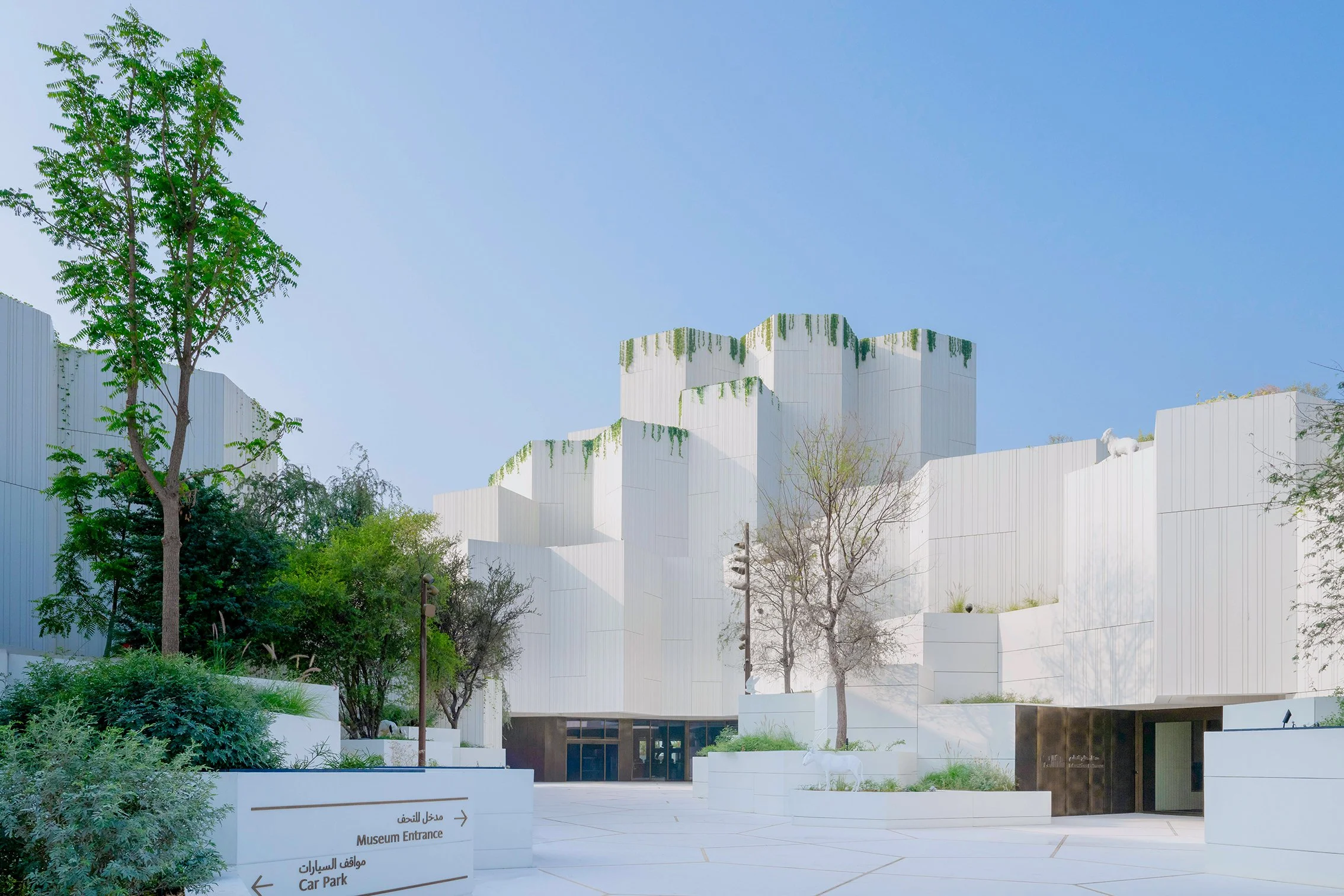
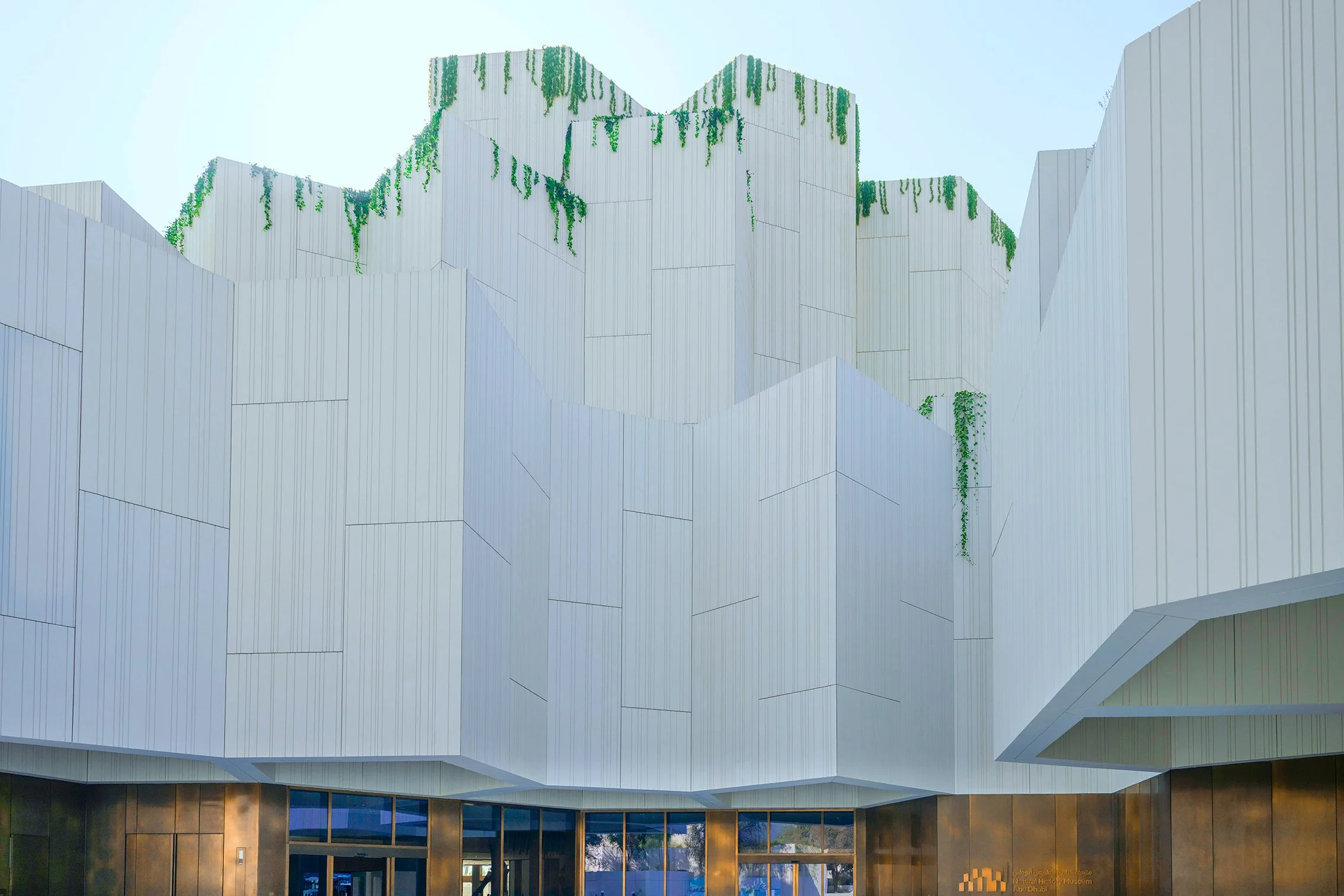
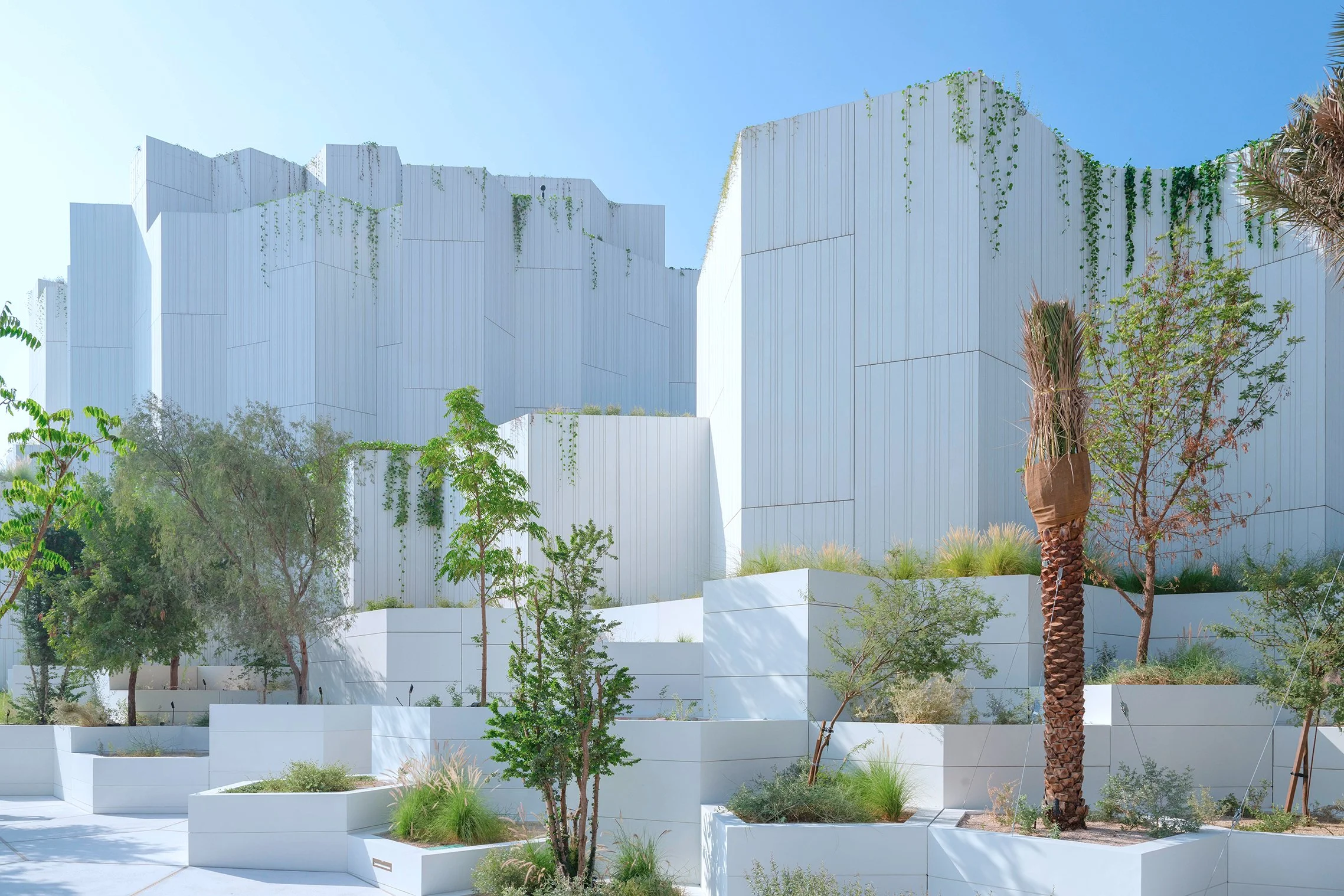
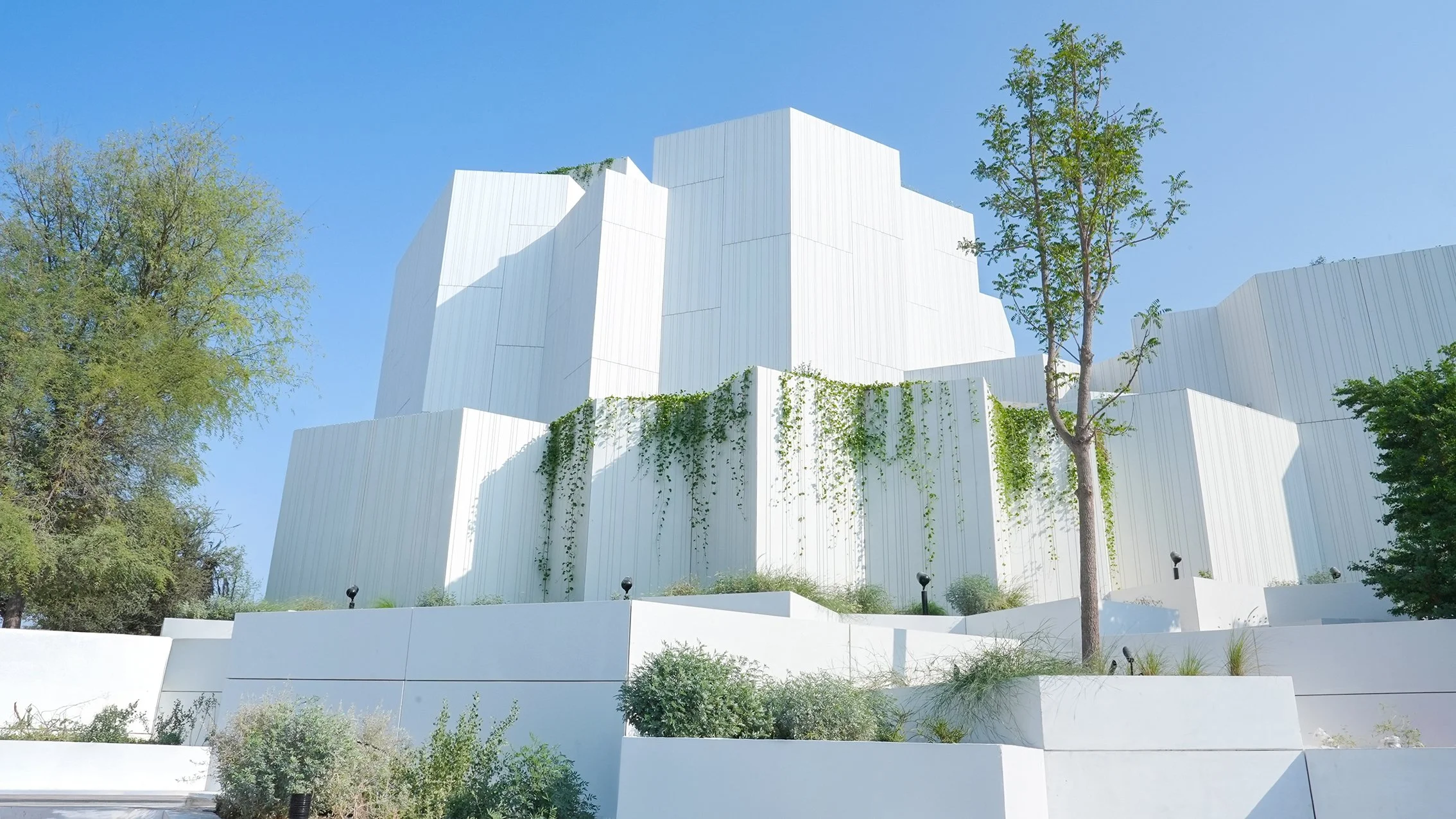
At first glance, the building reads less like a constructed object and more like a natural formation, an extrusion from the earth. Mecanoo’s design draws direct inspiration from geological strata and desert rock formations, grounding the architecture in the physical language of the Arabian Peninsula.
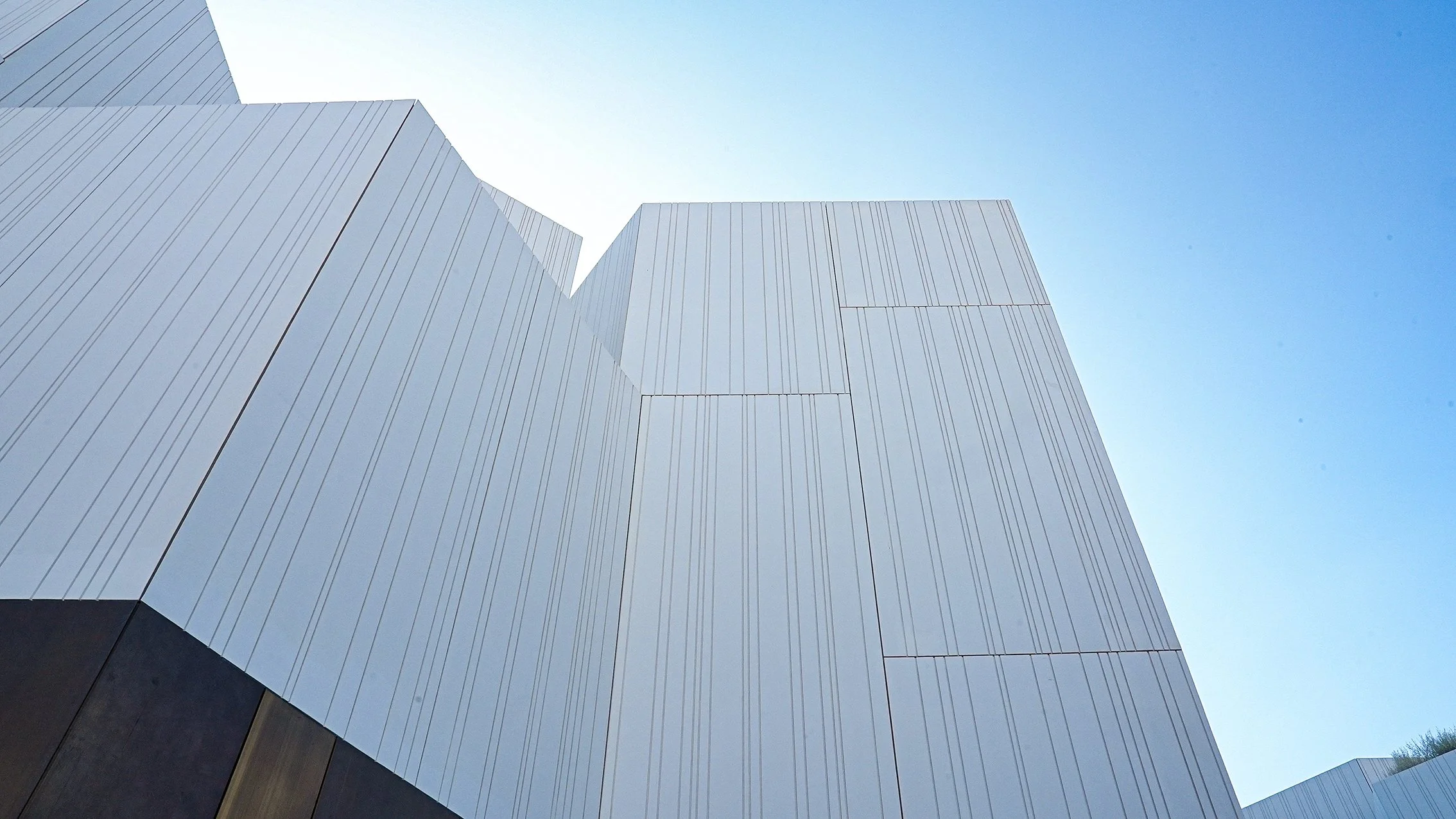
The massing is deliberately monolithic yet fragmented, evoking the slow processes of erosion and sedimentation. There is no singular façade; instead, the building reveals itself through a sequence of shifting planes and angular geometries, much like a landscape that unfolds over time. This approach resists the iconic “object building” often associated with cultural institutions in the Gulf, favouring a quieter, more embedded architectural identity instead.
Materiality plays a critical role in reinforcing this narrative. The exterior surfaces, textured, layered, and weighty, mirror the tones and tactility of desert stone. In doing so, the building avoids the placelessness of glass-and-steel global architecture, rooting itself firmly within its regional context.
Internally, the architecture becomes more fluid. Spaces expand and contract, guiding visitors on a chronological journey that mirrors the museum’s curatorial ambition, from the Big Bang to the planet's future. This spatial choreography is not incidental; it is the architecture itself that becomes the primary storytelling device.
© Natural History Museum Abu Dhabi | حقوق الصورة: © متحف التاريخ الطبيعي أبوظبي
Designing a Museum Without Boundaries
Unlike traditional museums, where galleries are often discrete and self-contained, the Natural History Museum Abu Dhabi is conceived as a continuous narrative environment. The architecture dissolves boundaries between exhibition, circulation, and education.
This is particularly evident in the central atrium: a vast, cathedral-like volume that anchors the building. Here, scale becomes a tool of awe, reinforcing the magnitude of the natural phenomena being explored. Suspended skeletal forms and large-scale installations are not simply displayed within the architecture; they are integrated into its spatial logic.
The museum’s 35,000-square-metre footprint allows for an ambitious layering of programmes, including research laboratories, educational spaces, and immersive galleries. This hybridisation reflects a broader shift in museum design, from static repositories of objects to dynamic centres of research, learning, and public engagement.
© Natural History Museum Abu Dhabi | حقوق الصورة: © متحف التاريخ الطبيعي أبوظبي
A Cultural Catalyst for Abu Dhabi
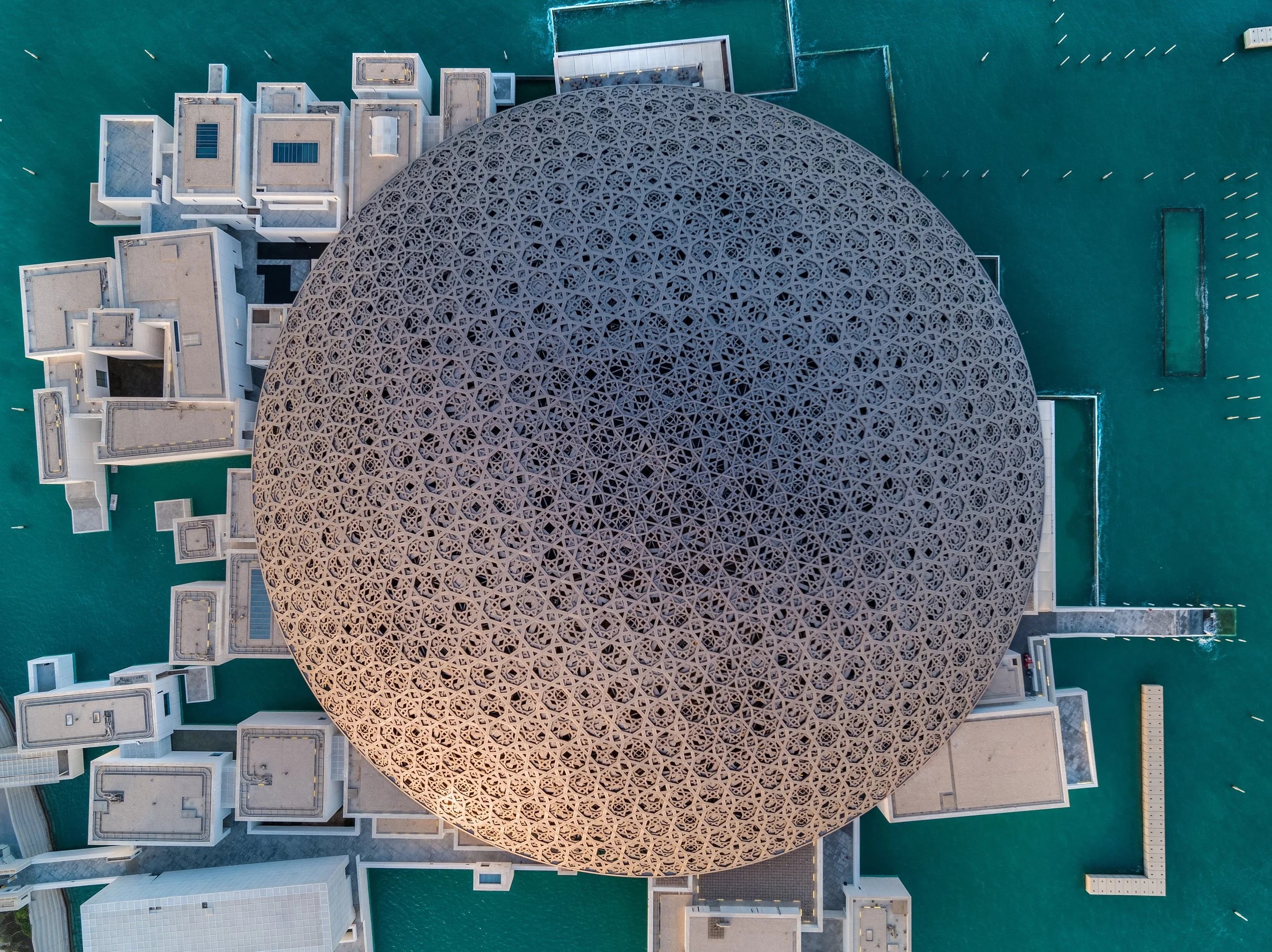
To understand the significance of the Natural History Museum Abu Dhabi, it must be viewed within the wider context of the Saadiyat Cultural District: a masterplanned cultural ecosystem that includes institutions such as the Louvre Abu Dhabi and the Zayed National Museum.
Together, these projects represent a deliberate and strategic investment in culture as infrastructure. Abu Dhabi is not simply building museums; it is constructing a narrative, one that positions the UAE as both a custodian of heritage and a participant in global cultural discourse.
Within this framework, the Natural History Museum introduces a critical new dimension: science. While neighbouring institutions focus on art and national identity, this museum expands the conversation to include planetary history, environmental awareness, and the future of the Earth.
This is particularly relevant in the context of the UAE, a nation defined by its relationship with landscape and resources. By foregrounding themes of climate, biodiversity, and sustainability, the museum aligns itself with broader national ambitions around environmental stewardship and innovation.
© Natural History Museum Abu Dhabi | حقوق الصورة: © متحف التاريخ الطبيعي أبوظبي
Architecture as Soft Power
The emergence of projects like the Natural History Museum Abu Dhabi signals a shift in how architecture is deployed within the region. No longer purely symbolic or commercial, these buildings function as instruments of cultural diplomacy, what might be described as architectural soft power.
Through partnerships, research initiatives, and globally significant collections, the museum establishes Abu Dhabi as a centre for scientific inquiry and knowledge production. At the same time, its architecture communicates a distinct identity; one that is both rooted in place and outward-looking.
Mecanoo’s design is particularly effective in this regard. Rather than importing a foreign architectural language, the practice has interpreted local landscapes and environmental conditions into a contemporary form. The result is a building that feels both global in ambition and regional in expression.
© Natural History Museum Abu Dhabi | حقوق الصورة: © متحف التاريخ الطبيعي أبوظبي
The Future of Museum Architecture in the UAE
The Natural History Museum Abu Dhabi represents a new typology for cultural architecture in the UAE, one that is immersive, interdisciplinary, and deeply narrative-driven.
It challenges the conventional hierarchy between architecture and exhibition, suggesting instead that the building itself can act as a primary medium of storytelling. In doing so, it aligns with a broader evolution in museum design, where experience, atmosphere, and spatial sequencing are as important as the objects on display.
More importantly, it signals a maturation of the UAE’s architectural landscape. Where earlier developments often prioritised spectacle, this new generation of cultural buildings demonstrates a more nuanced approach, one that values context, meaning, and long-term cultural impact.
© Natural History Museum Abu Dhabi | حقوق الصورة: © متحف التاريخ الطبيعي أبوظبي
A Landscape in Formation
As the Saadiyat Cultural District continues to develop, the Natural History Museum Abu Dhabi will play a pivotal role in shaping its identity. It is both anchor and counterpoint; a building that complements its neighbours while introducing a distinct narrative voice.
Seen in this context, the museum is less a standalone project and more a part of a larger architectural and cultural composition. A landscape in formation, where each institution contributes to a broader story about the UAE’s past, present, and future.
And at its core, the Natural History Museum reminds us that architecture, at its most powerful, is not just about space, it is about time.
More Stories