NOMAD Abu Dhabi: A Landmark Moment for Collectable Design in the UAE
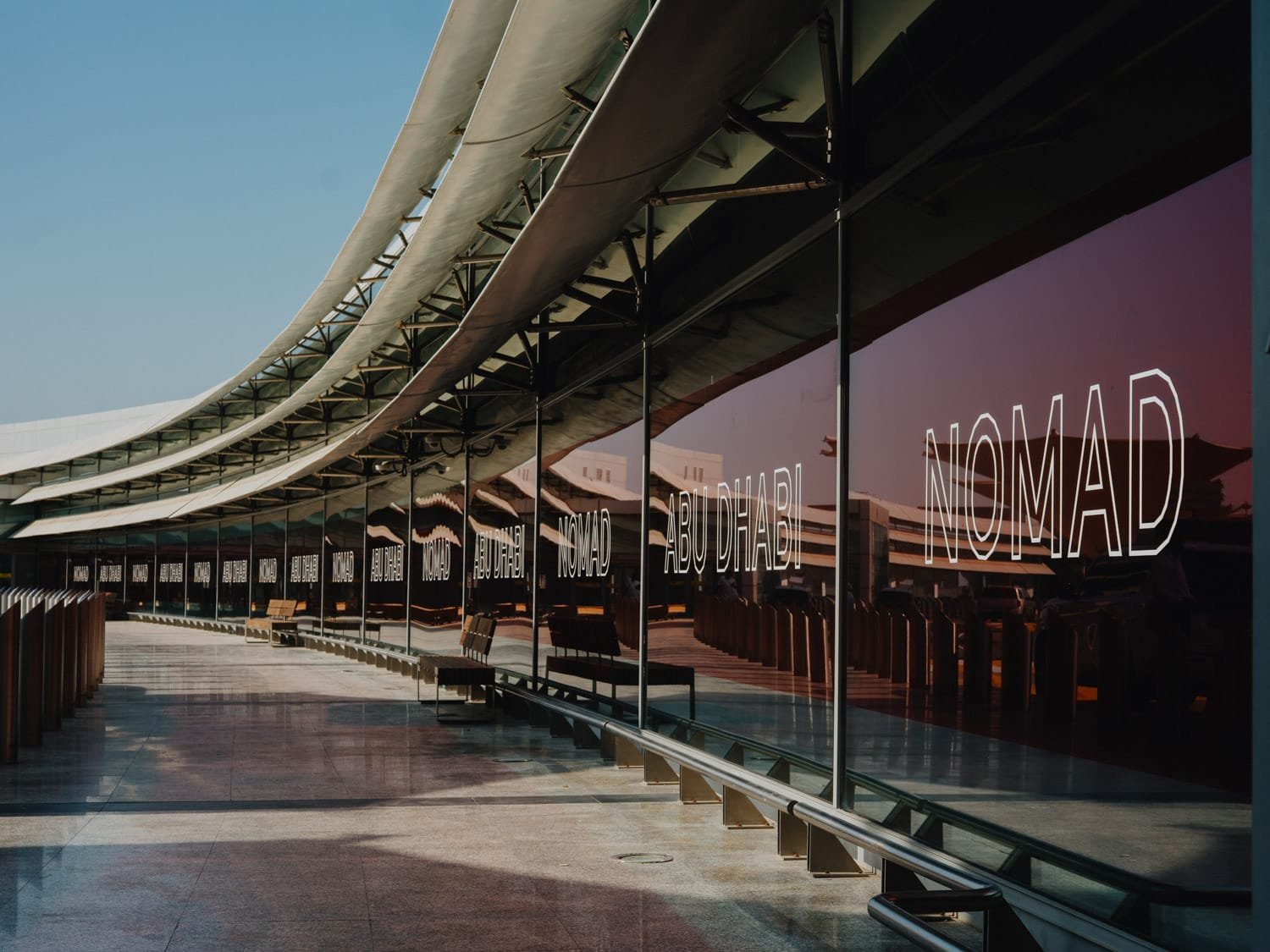
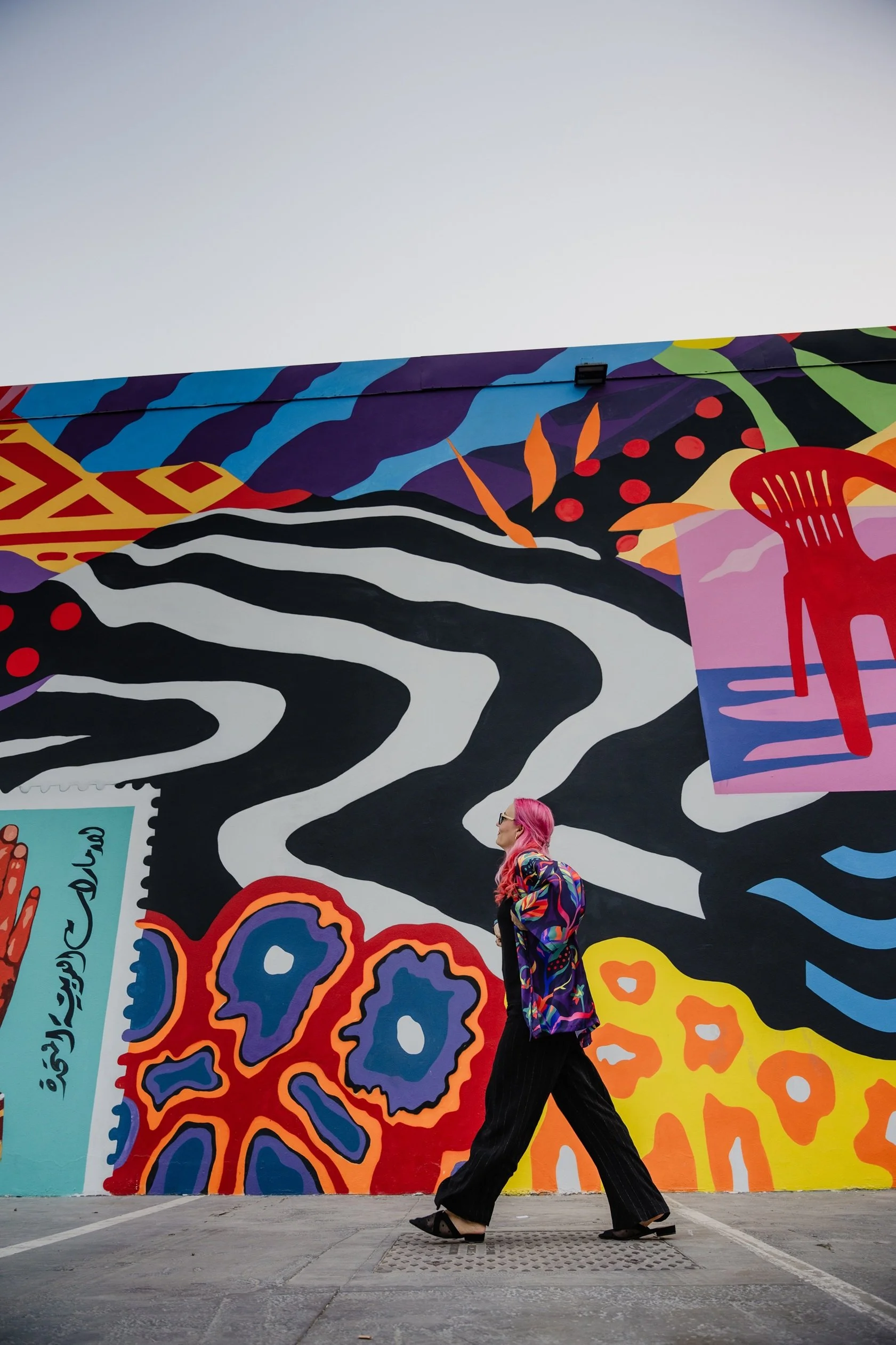
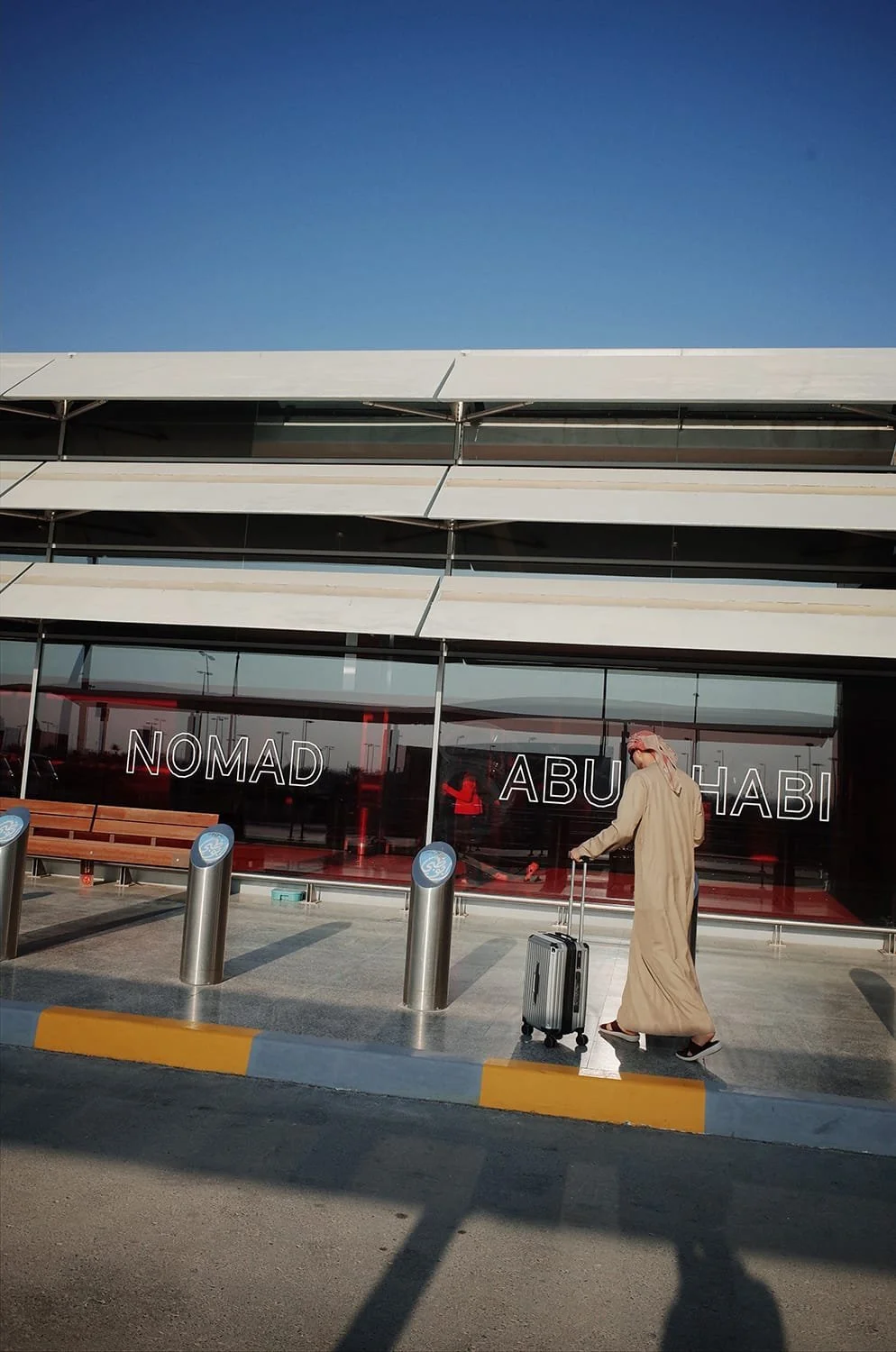
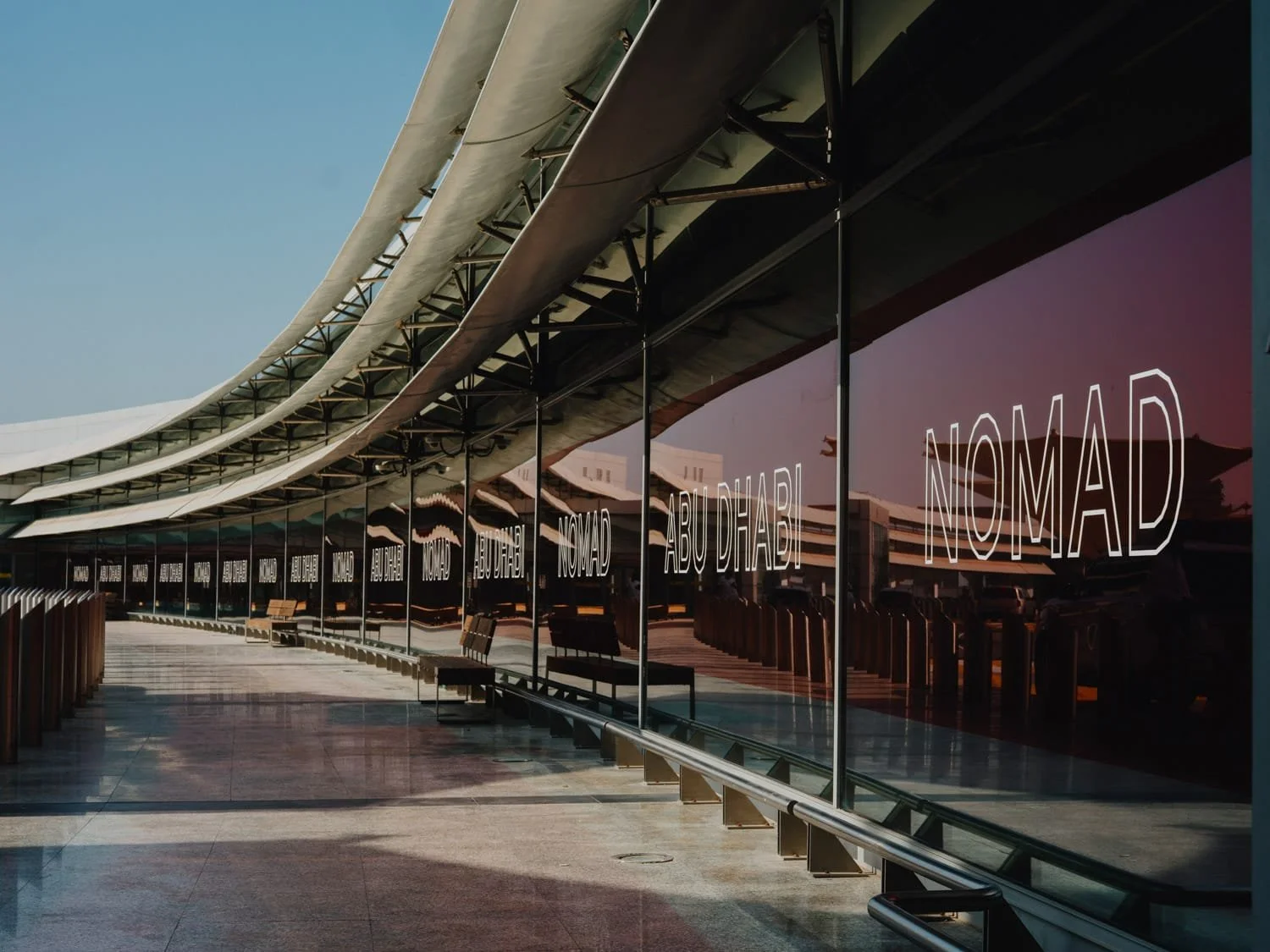
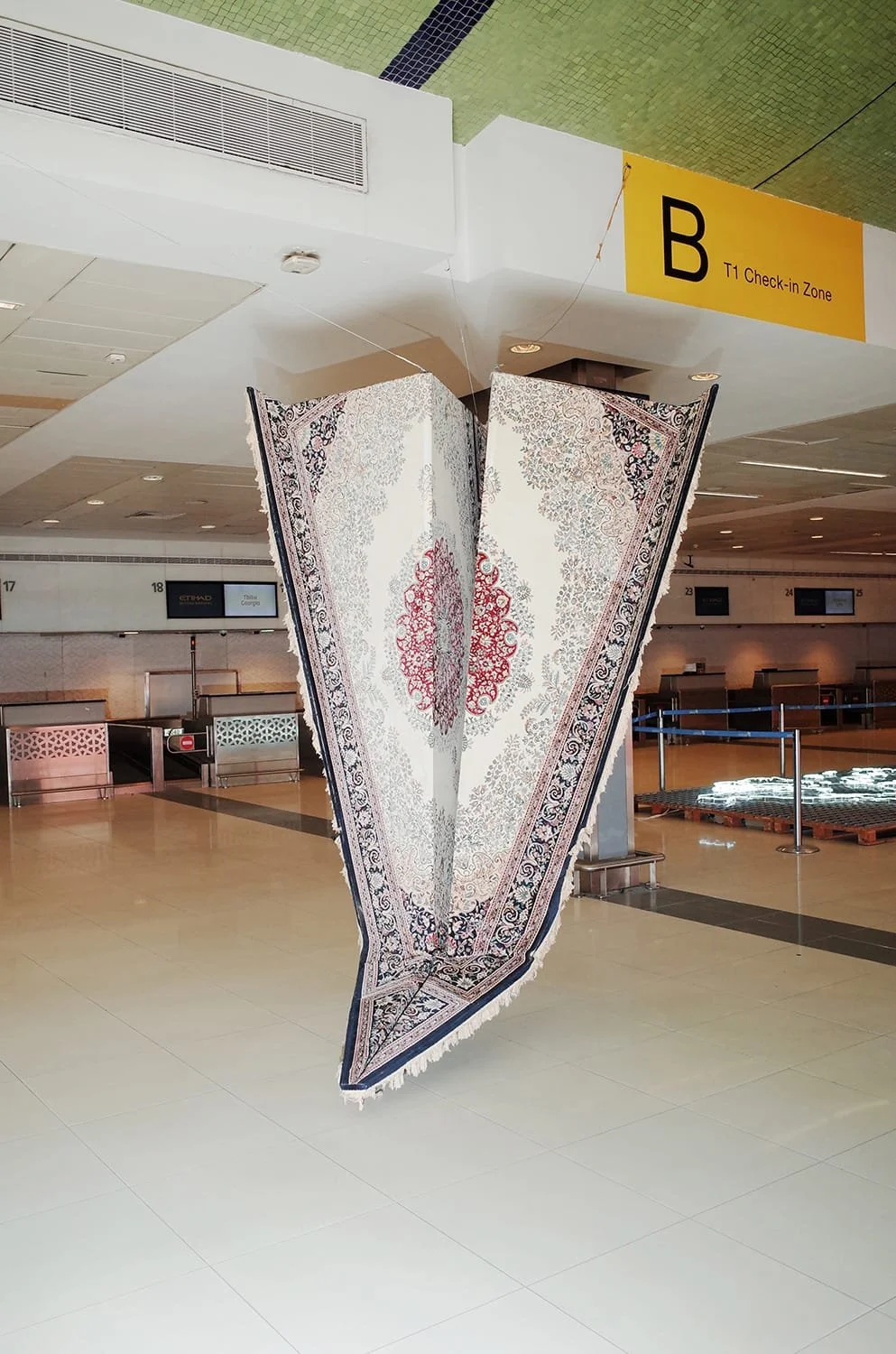
In November 2025, NOMAD Abu Dhabi marked a defining moment for the UAE’s evolving design and cultural landscape. Staged inside the decommissioned Terminal 1 at Zayed International Airport, the inaugural Abu Dhabi edition transformed a long-closed architectural icon into an immersive platform for collectable design, contemporary art, and jewellery. Conceived as both a cultural activation and a design-led intervention, the event successfully bridged regional heritage with global creative dialogue.
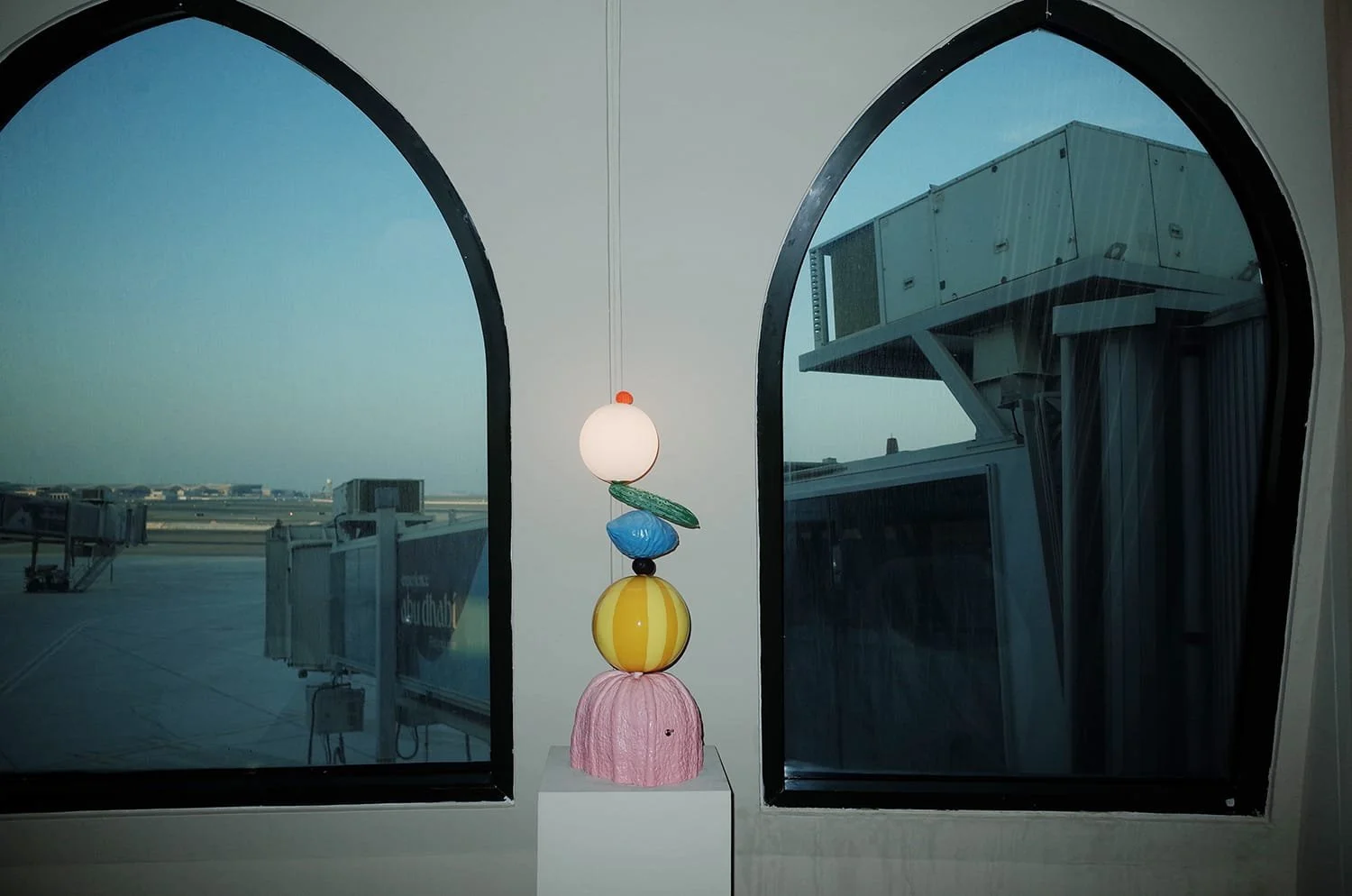
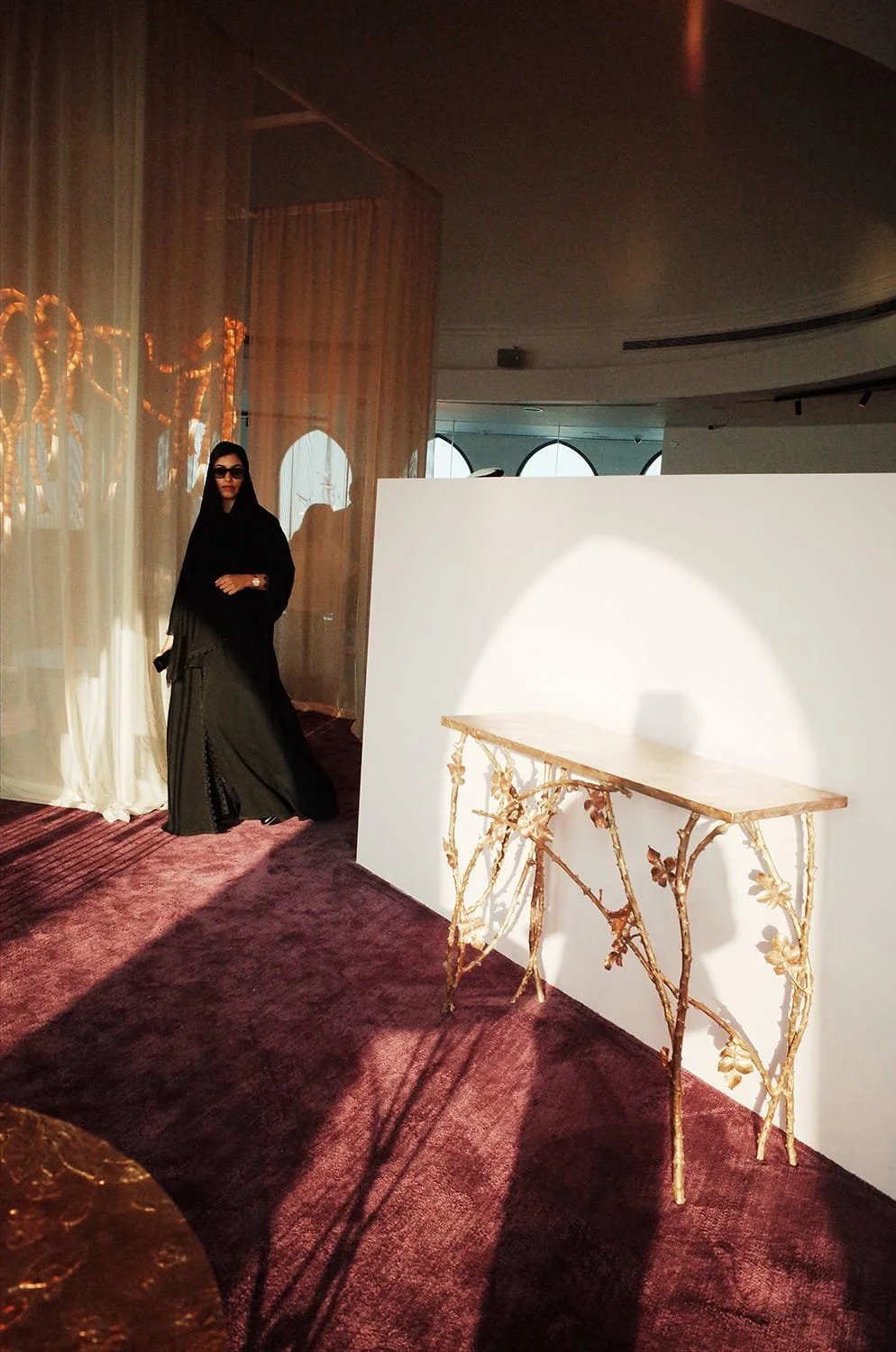
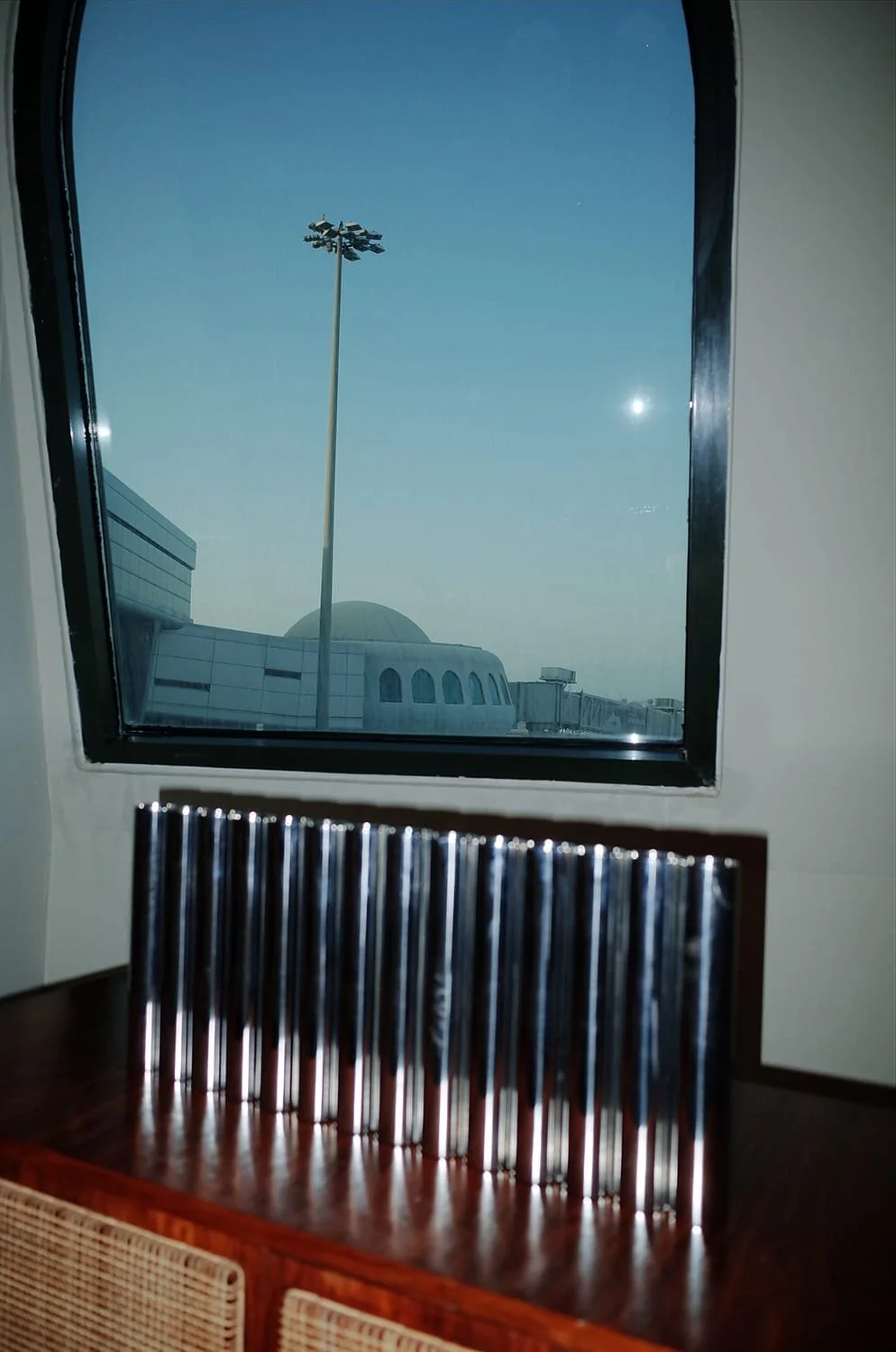
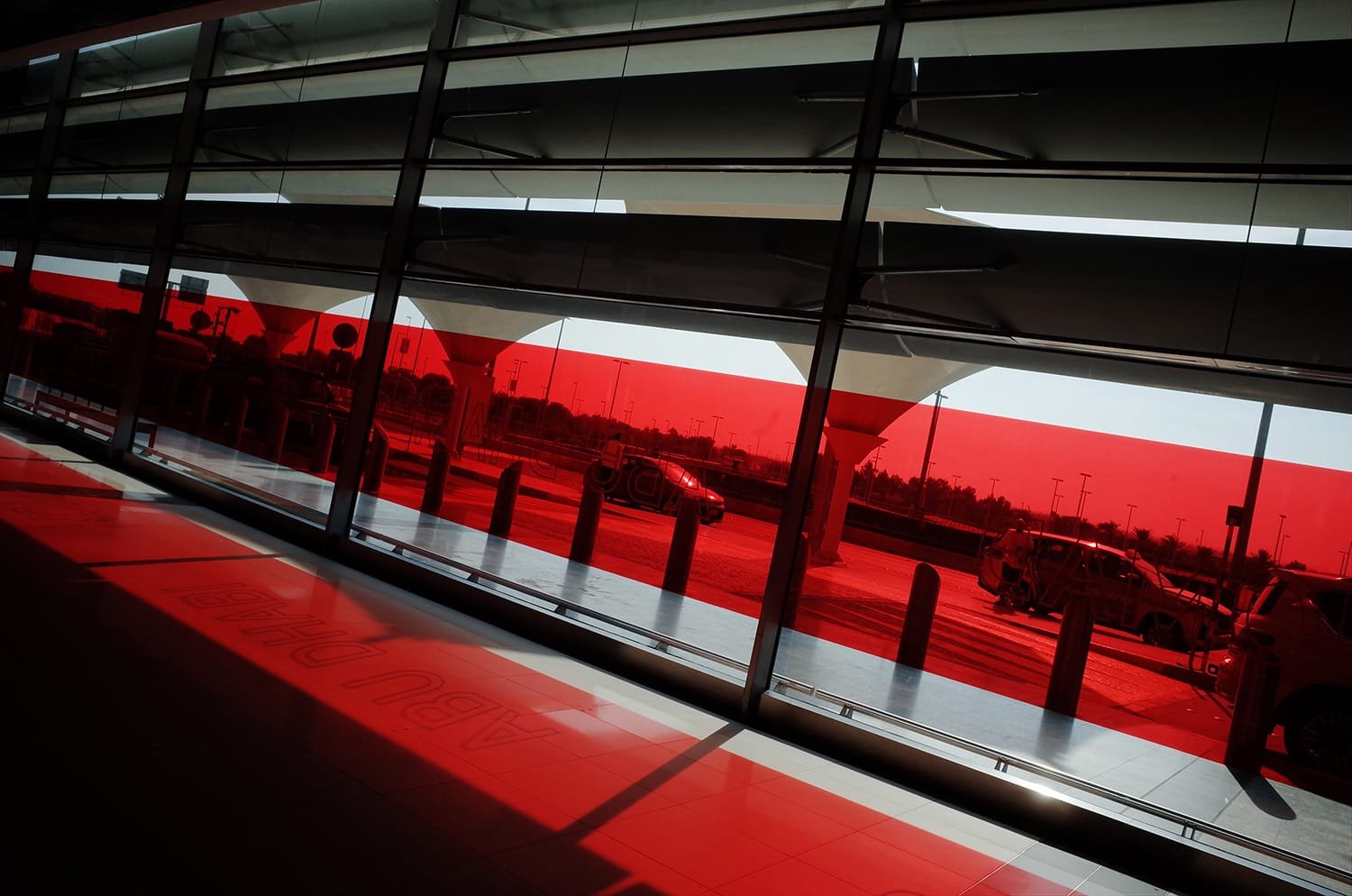
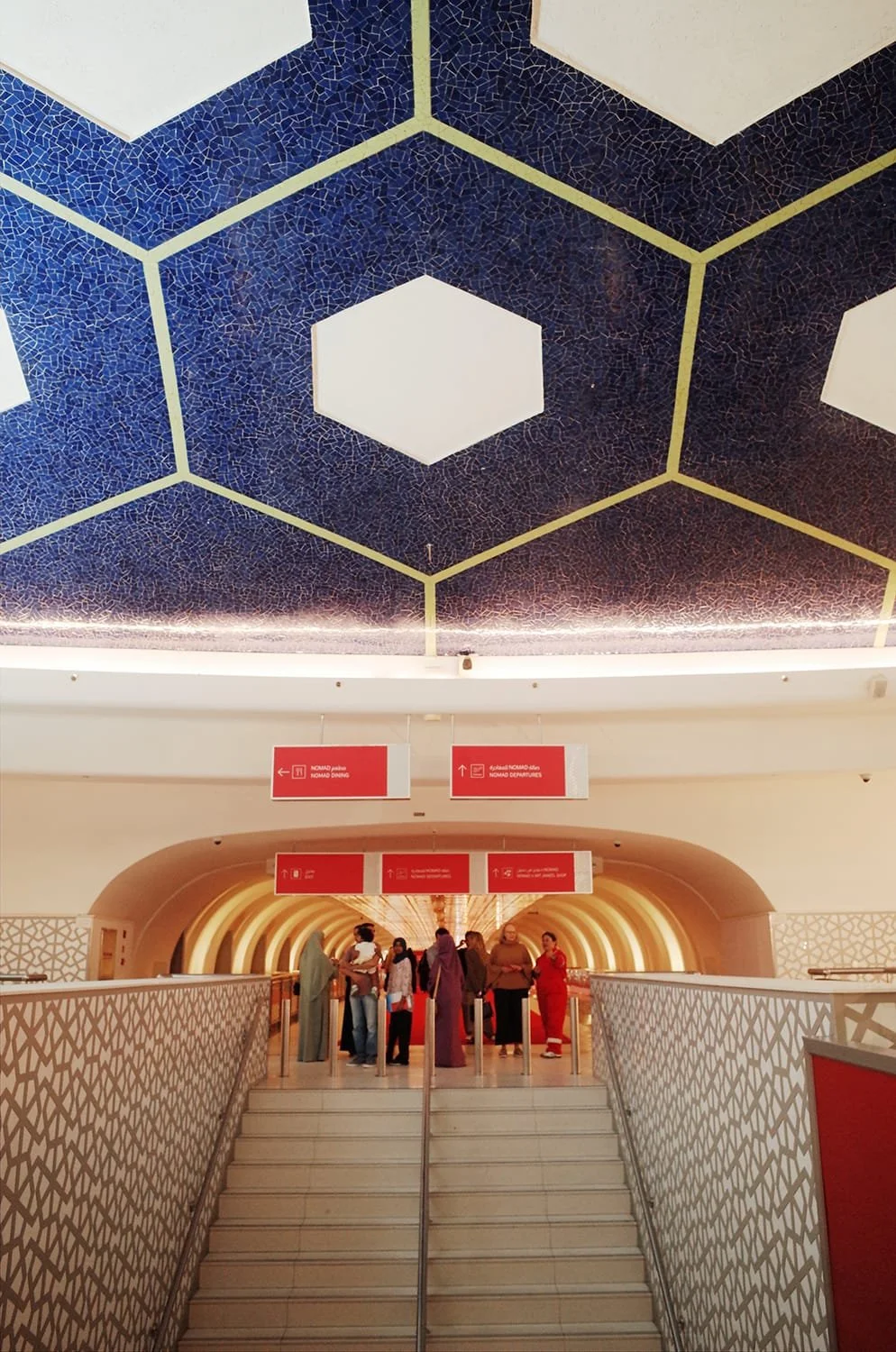
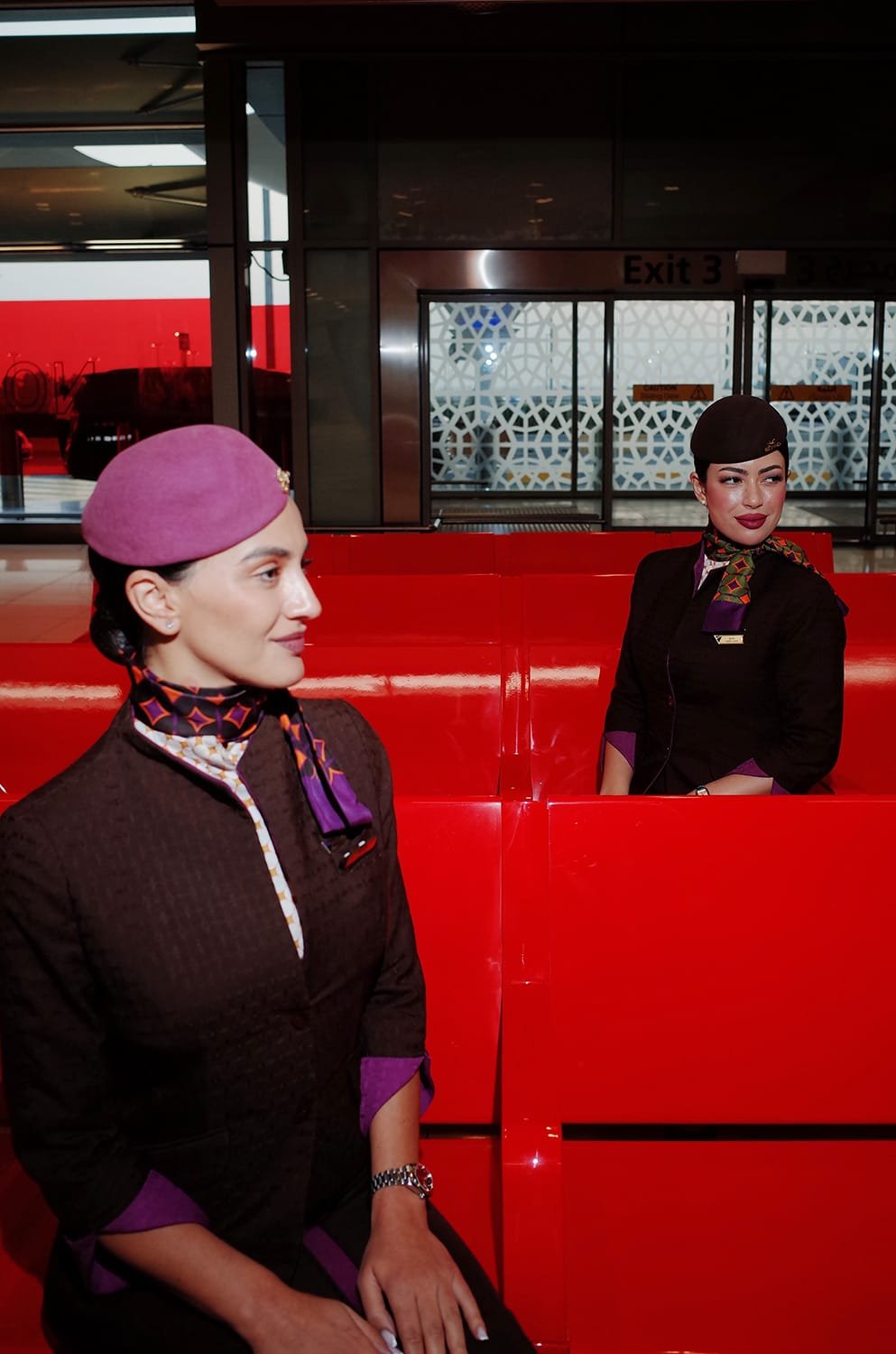
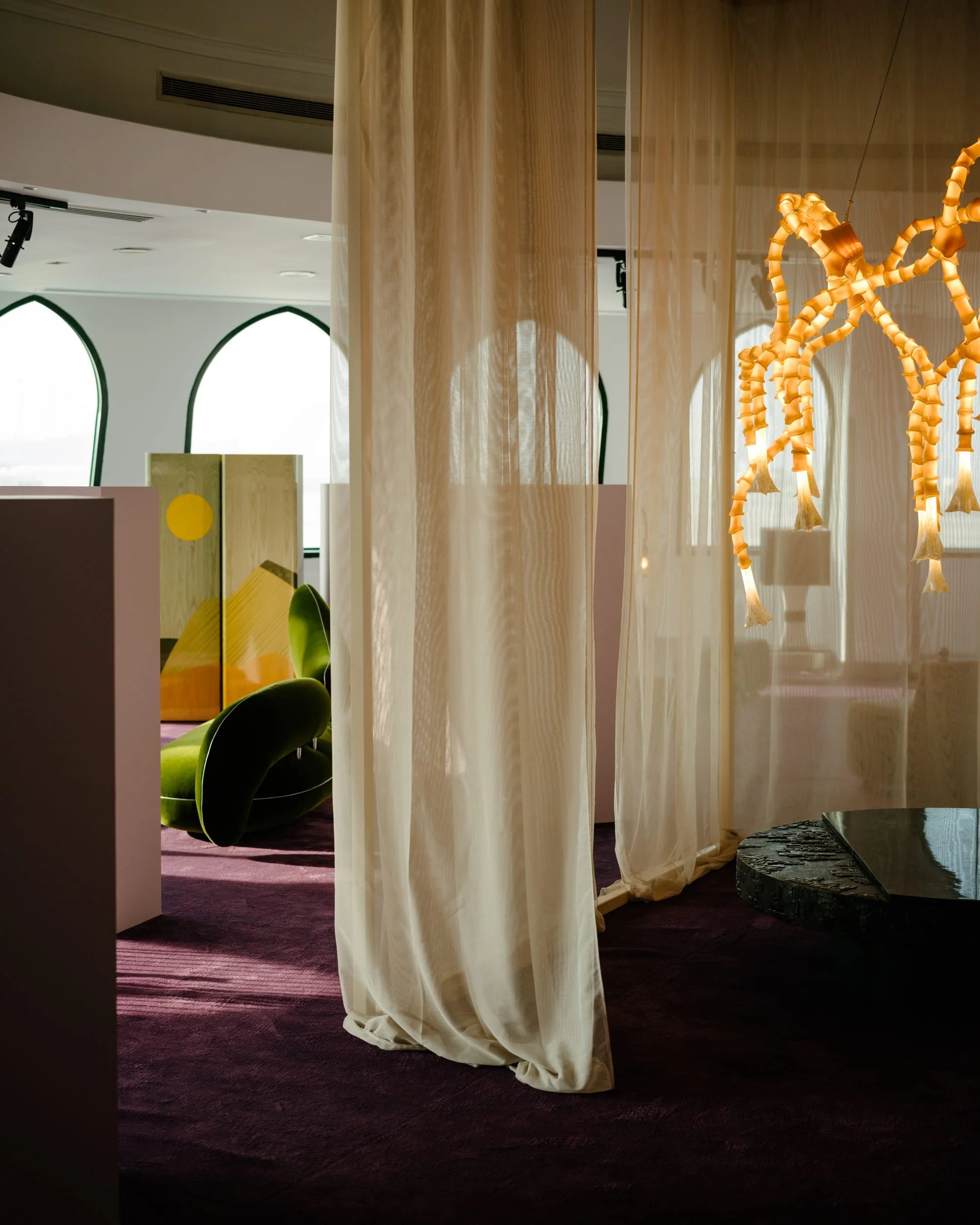
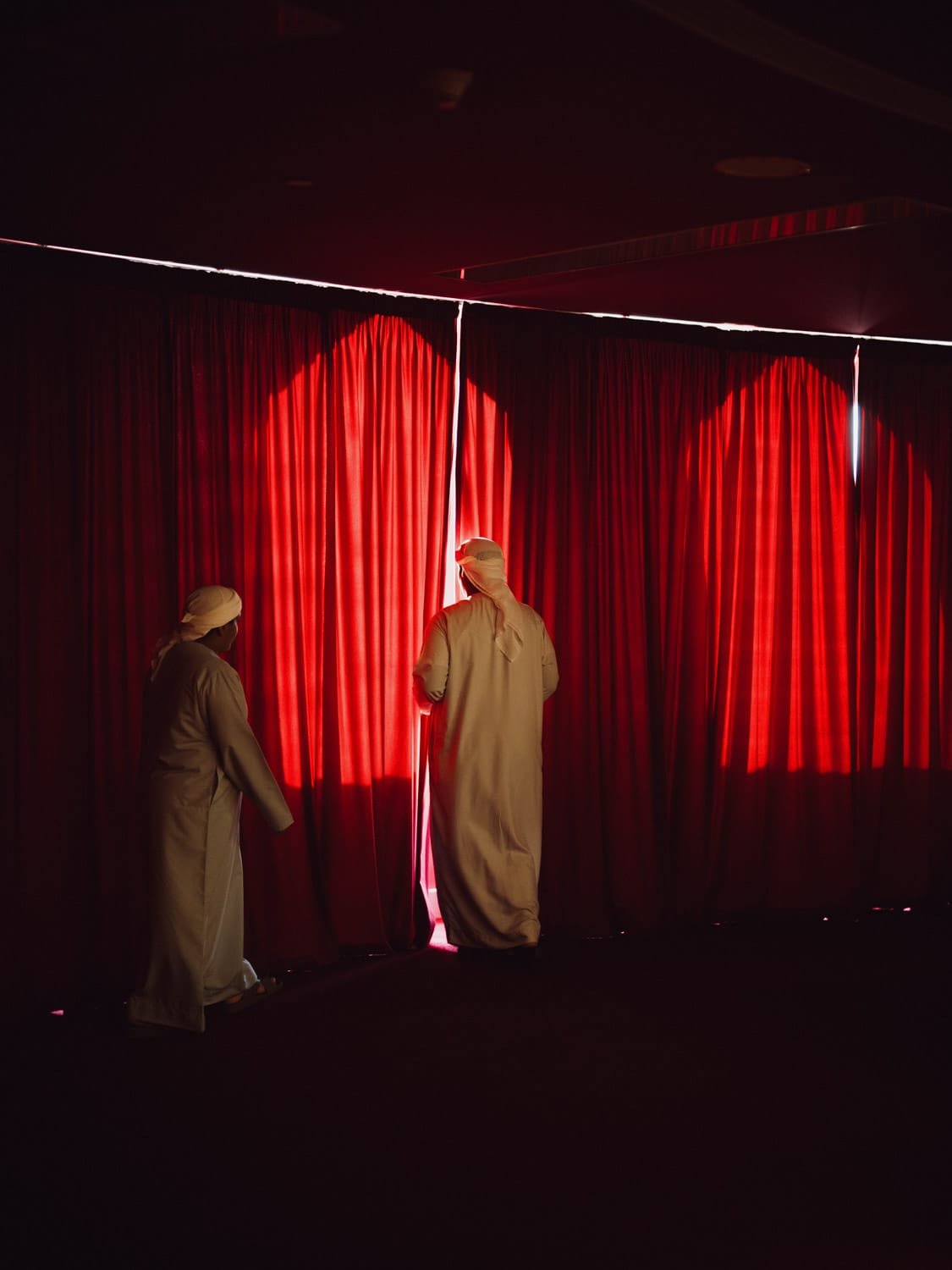
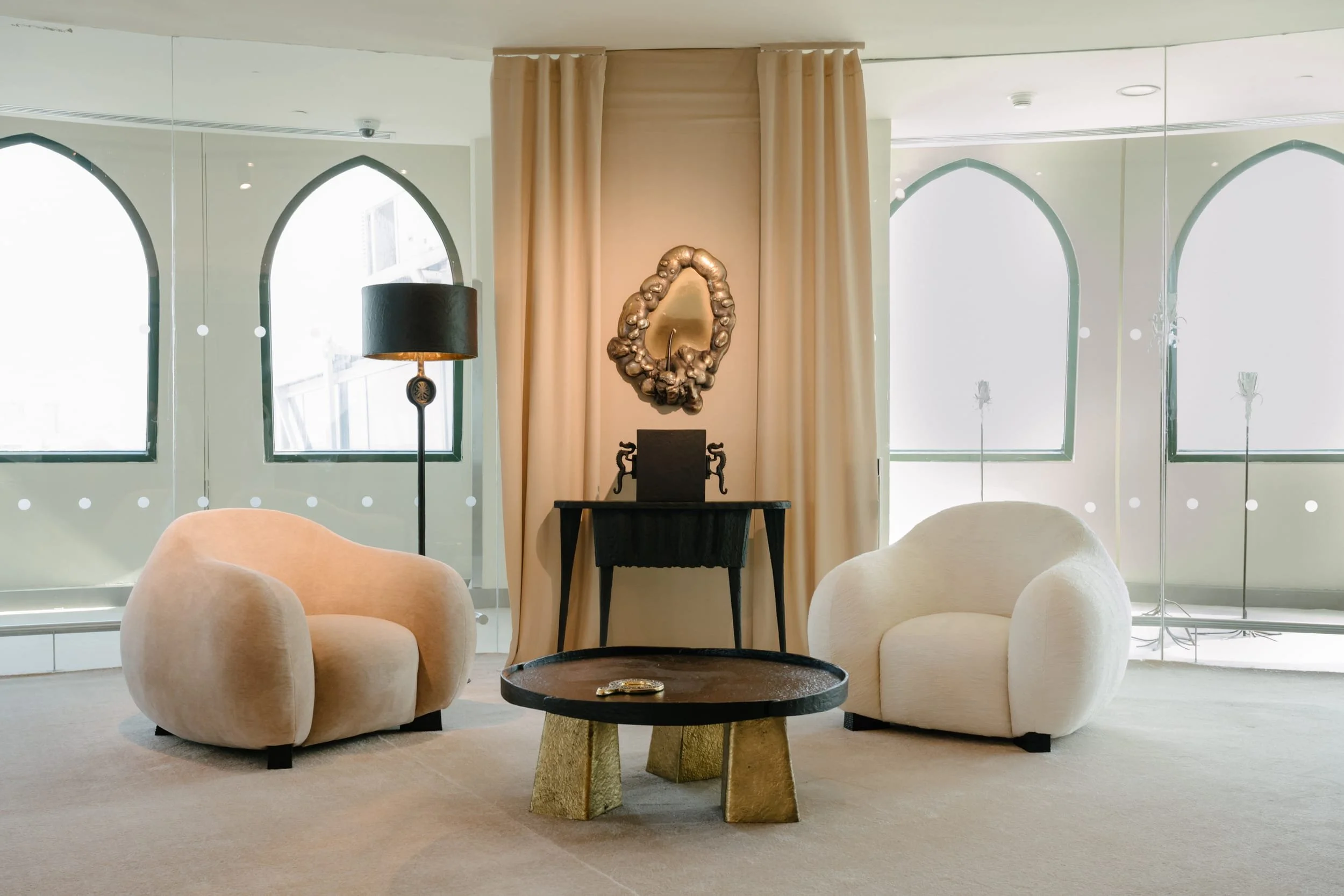
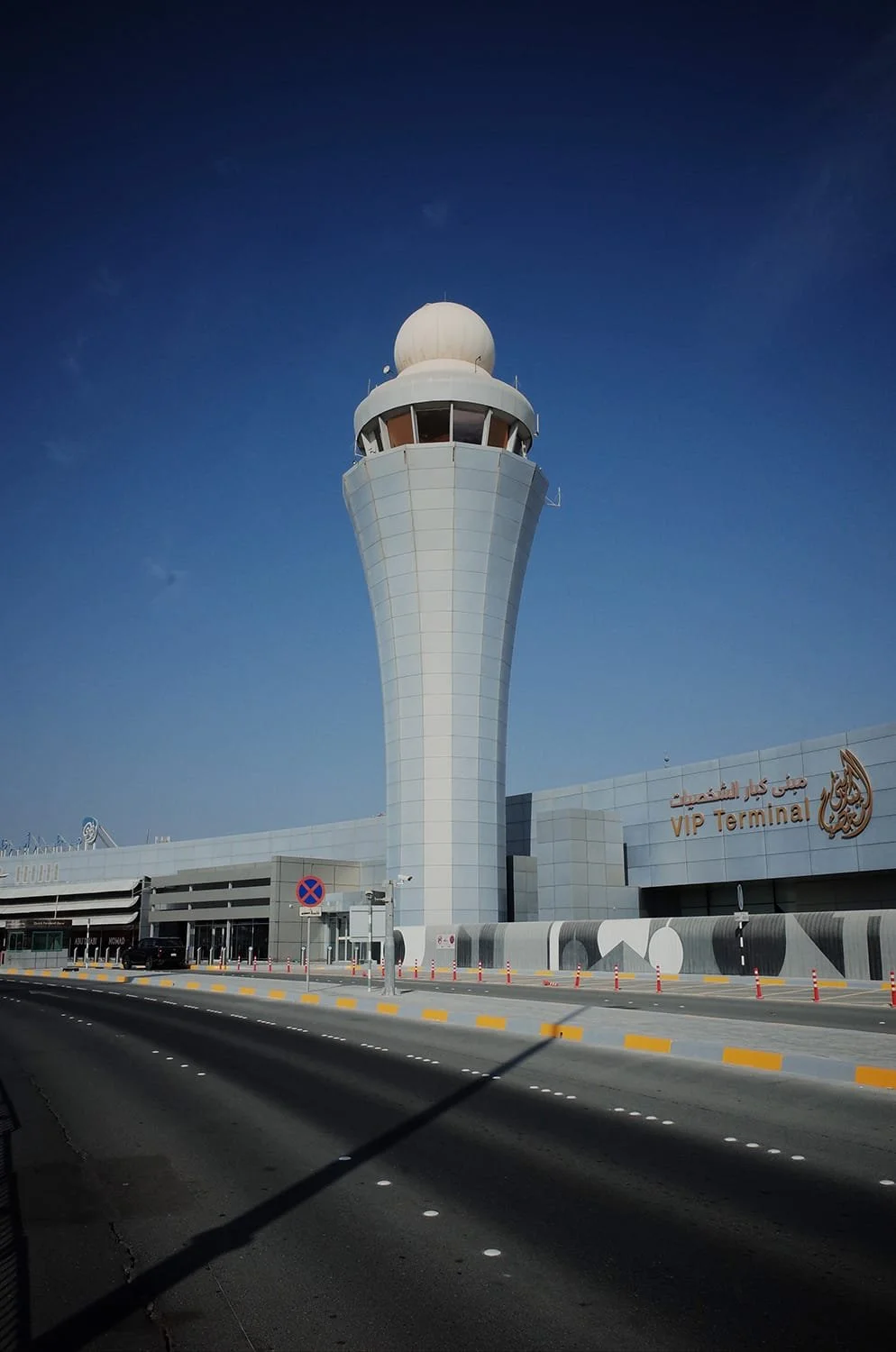
The choice of venue was central to the fair’s impact. Terminal 1, originally conceived in the late 1970s by renowned French architect Paul Andreu; best known for Paris’ Charles de Gaulle Airport, stood as a powerful symbol of Arabian modernism. Opened in 1982 and retired from service in 2023, the terminal had remained inaccessible to the public for years. NOMAD, in collaboration with the Department of Culture and Tourism, Abu Dhabi, reimagined the building as a site-specific exhibition space, breathing new life into its circular lounge, arched walkways and tent-like roof structure.
A Cultural Moment Aligned with Abu Dhabi Art
NOMAD Abu Dhabi coincided with Abu Dhabi Art, a key fixture in the global art calendar that has drawn collectors, curators, and institutions to the capital for nearly two decades. This strategic alignment positioned NOMAD within a broader international conversation while reinforcing Abu Dhabi’s growing role as a cultural crossroads between East and West.
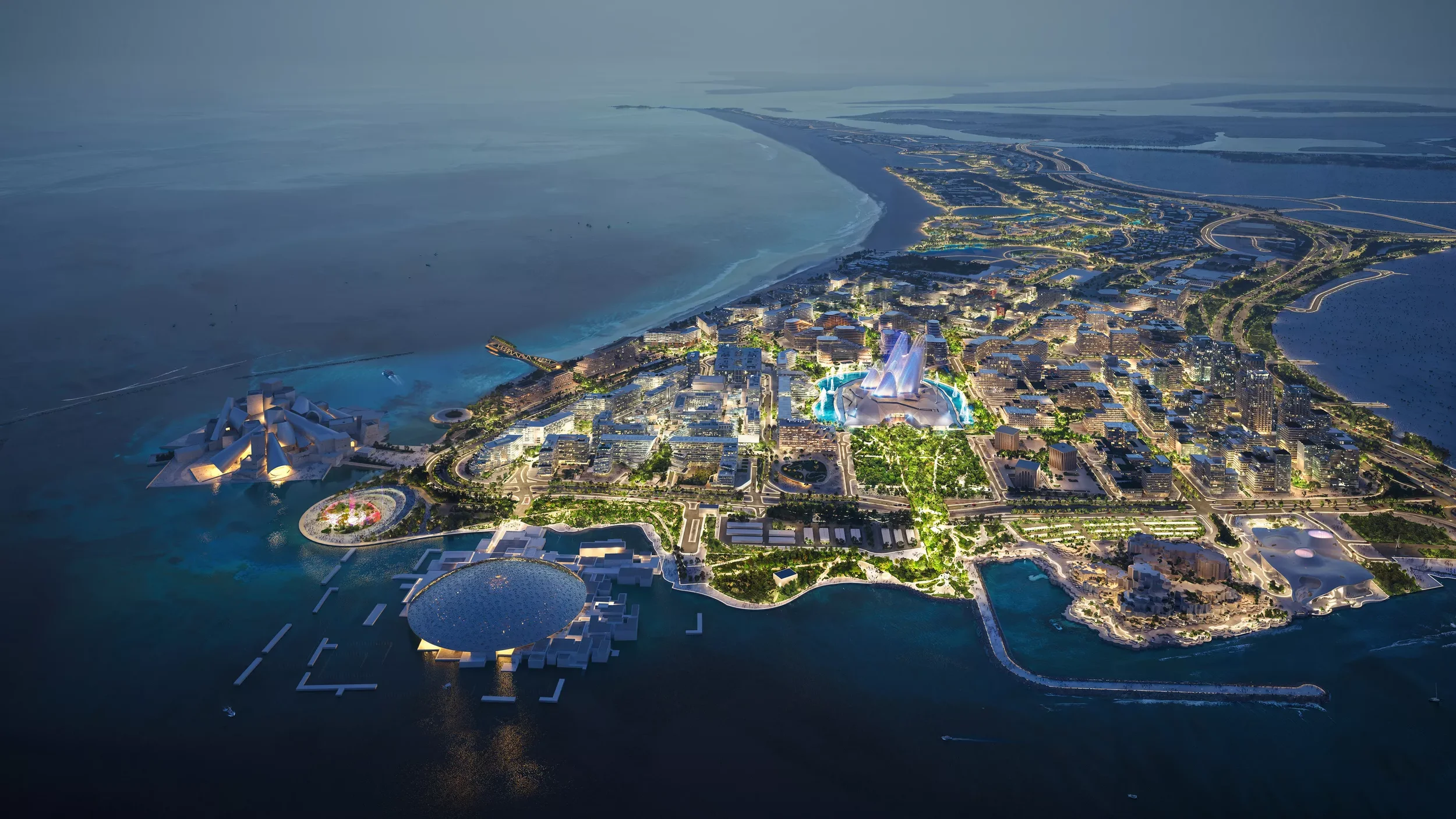
The timing was particularly significant. Abu Dhabi continues to invest heavily in culture and the arts, with the Saadiyat Cultural District emerging as one of the most ambitious museum developments in the world. Home to the Louvre Abu Dhabi and the forthcoming Guggenheim Abu Dhabi, Saadiyat provided a compelling backdrop for NOMAD’s first foray into the region, one rooted in heritage, yet firmly future-facing.
Reanimating an Icon of Arabian Modernism
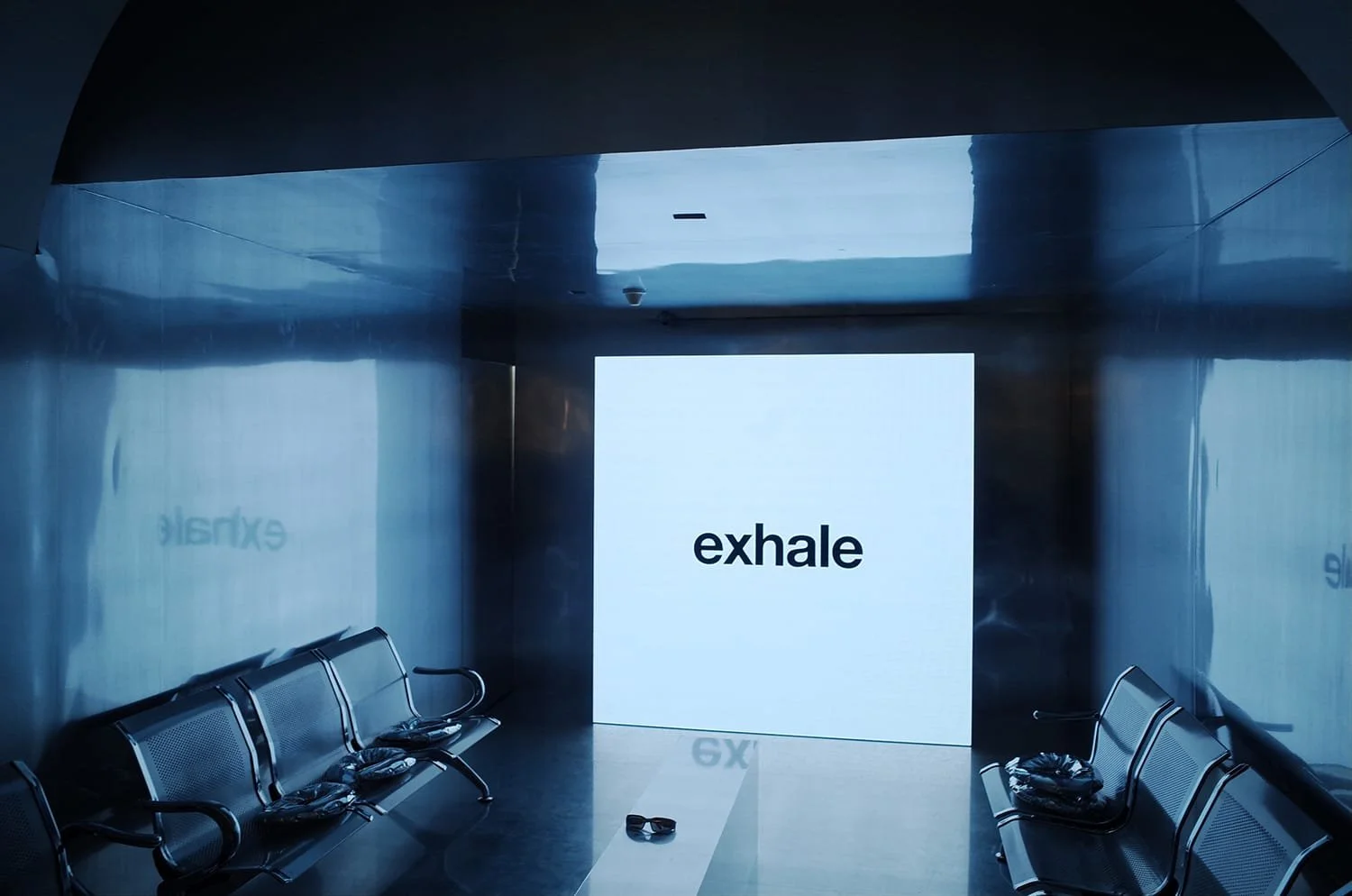
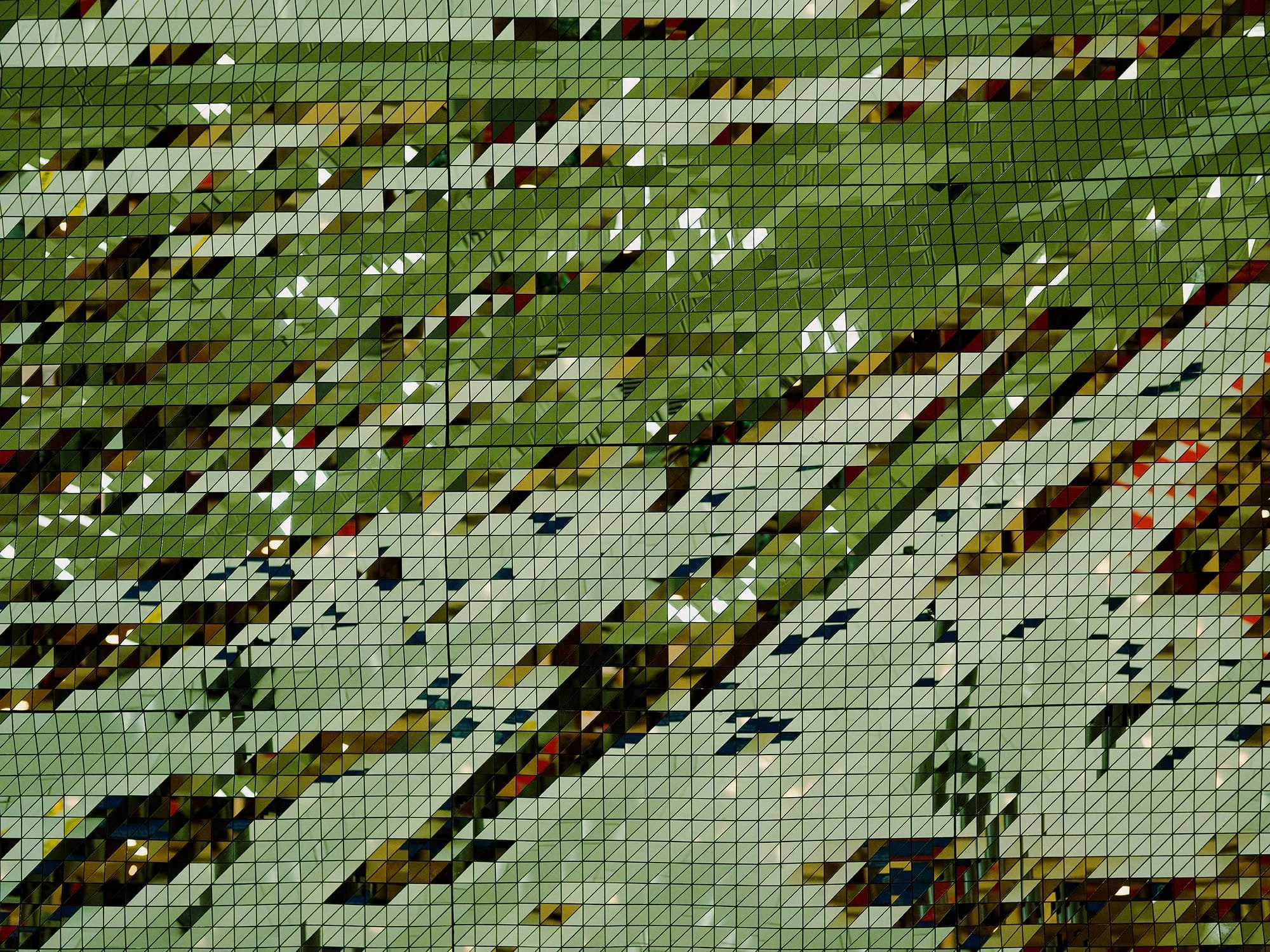
At the heart of NOMAD Abu Dhabi was Terminal 1 itself. Designed as an expression of progress and refinement, the building’s sweeping glass façade, geometric forms and shimmering mosaic roof reflected both functional modernism and spiritual symbolism. Rather than imposing a conventional fair layout, NOMAD embraced the architecture, allowing the terminal’s original design language to guide the visitor experience.
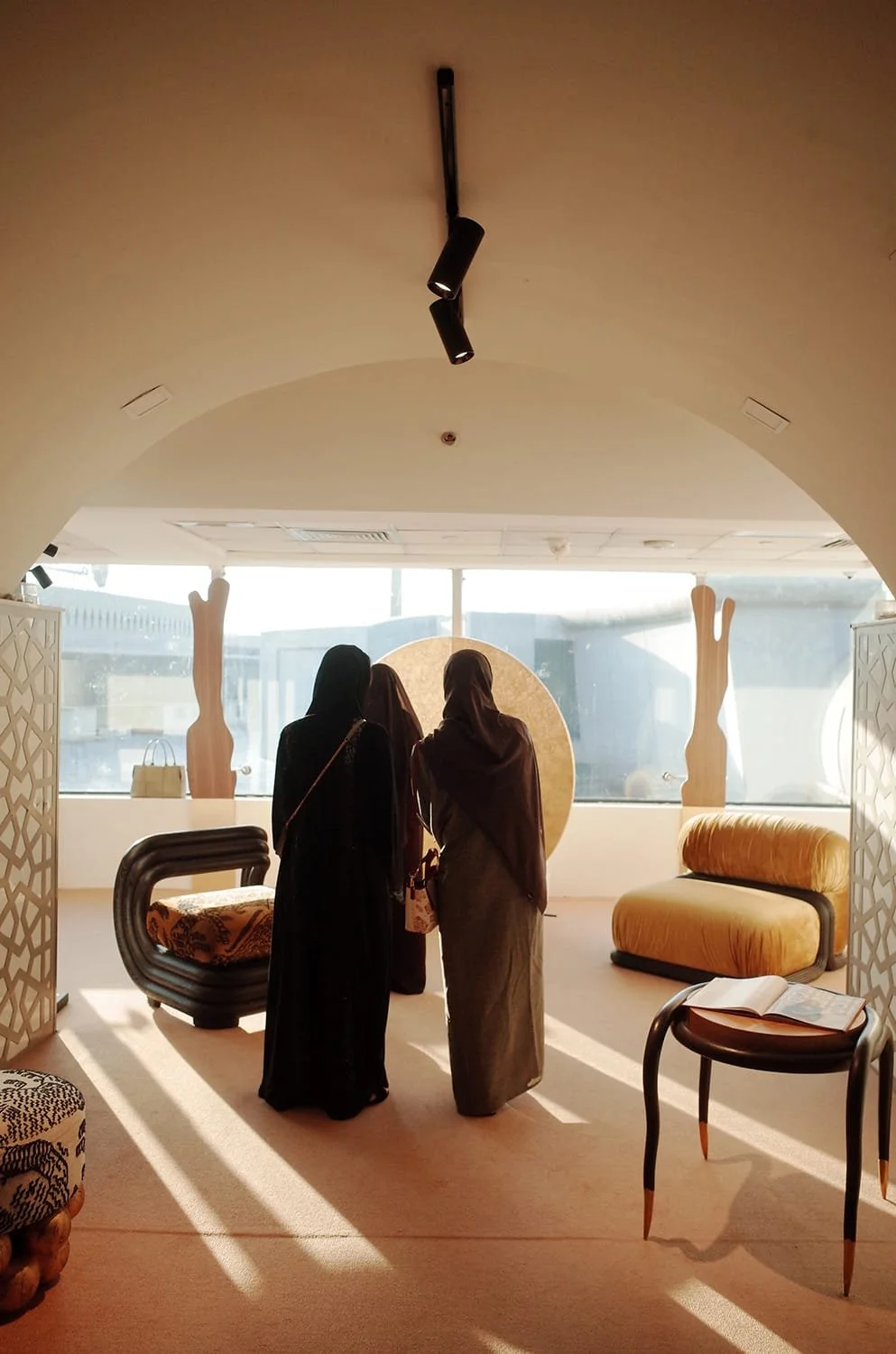
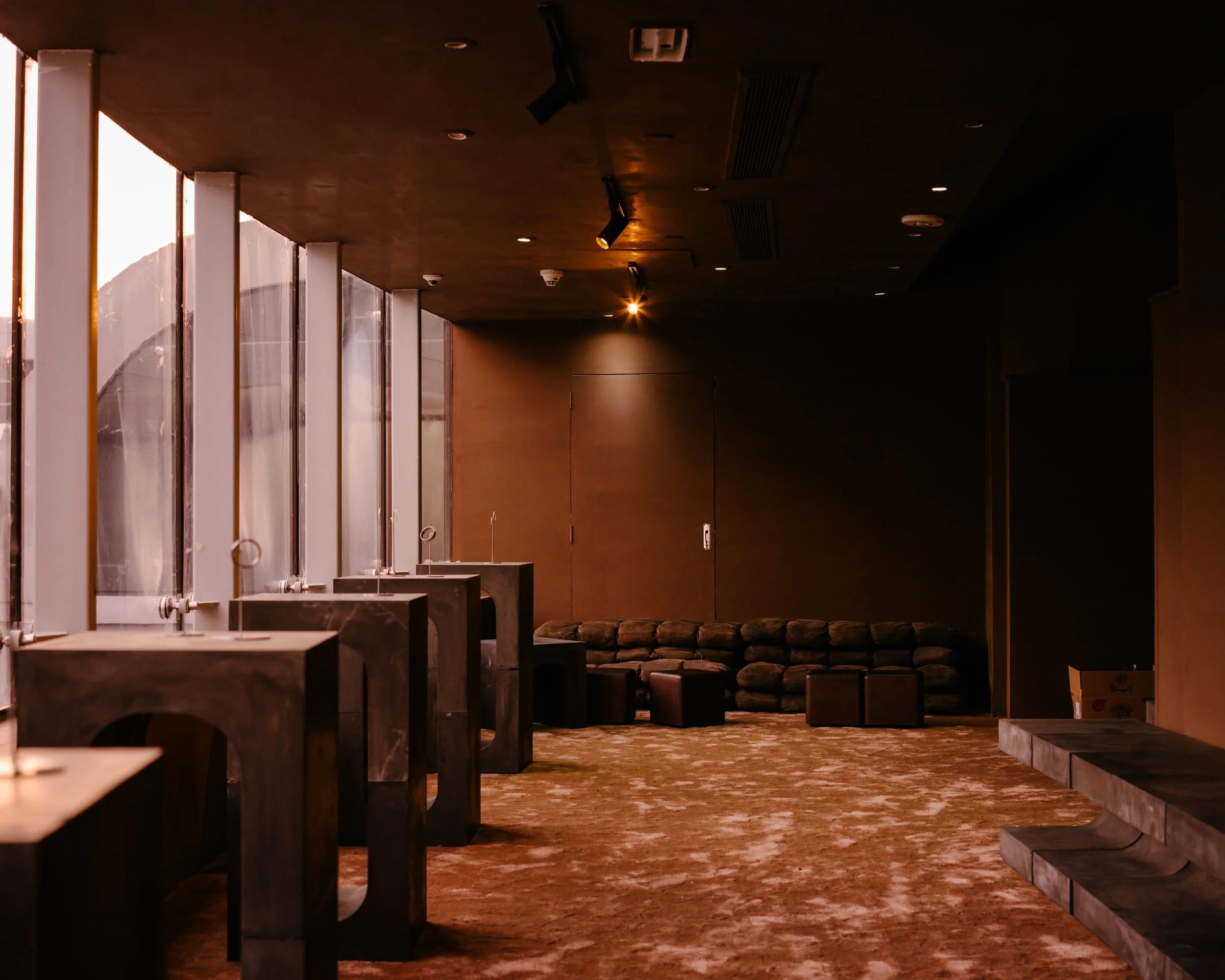
The fair unfolded as a carefully choreographed journey through the space, with curated presentations woven into the fabric of the building. The result was an atmosphere that felt immersive, intimate, and architectural, reinforcing NOMAD’s ethos as a boutique alternative to traditional design fairs.
A Dialogue Between Heritage and Contemporary Design
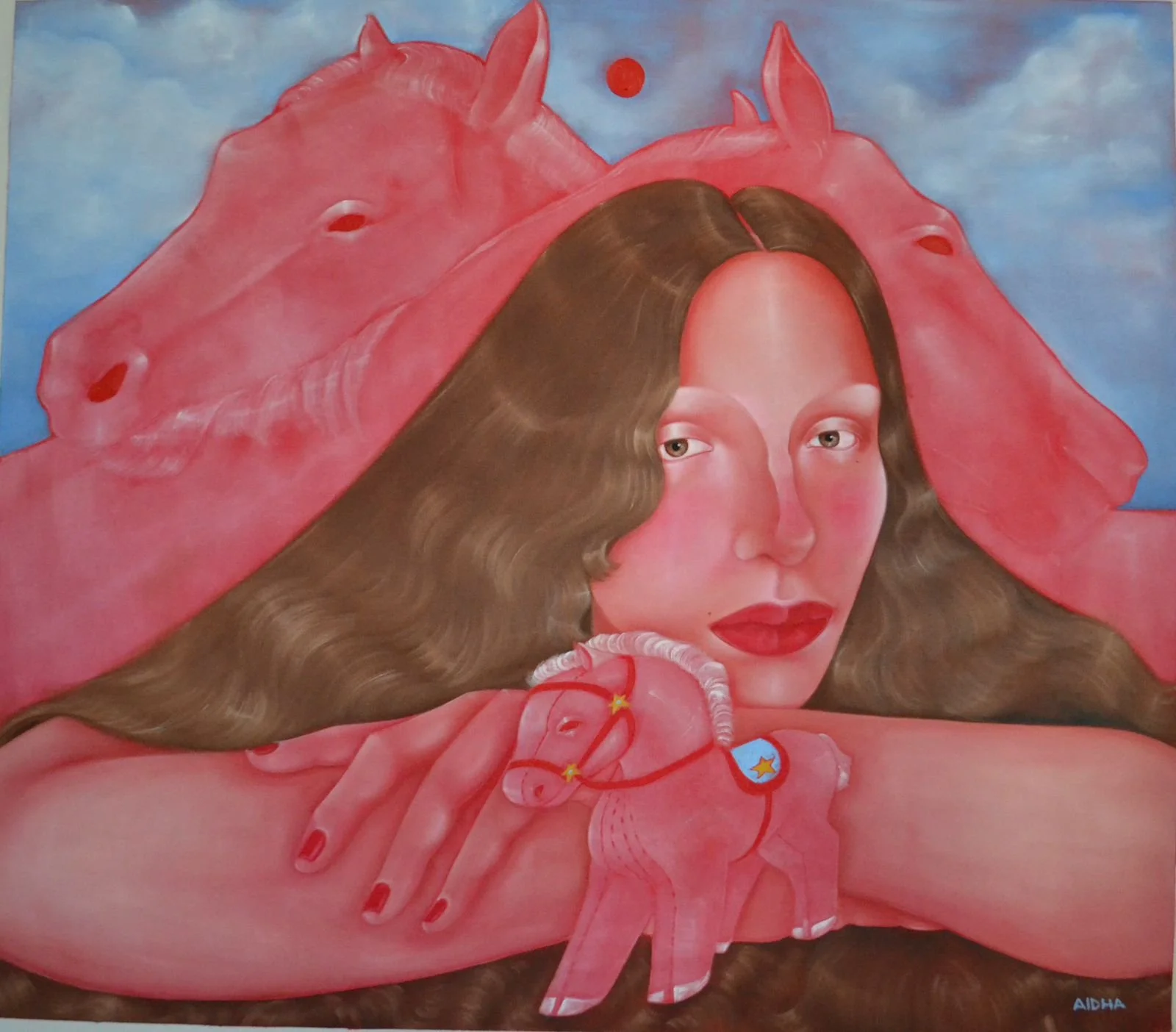
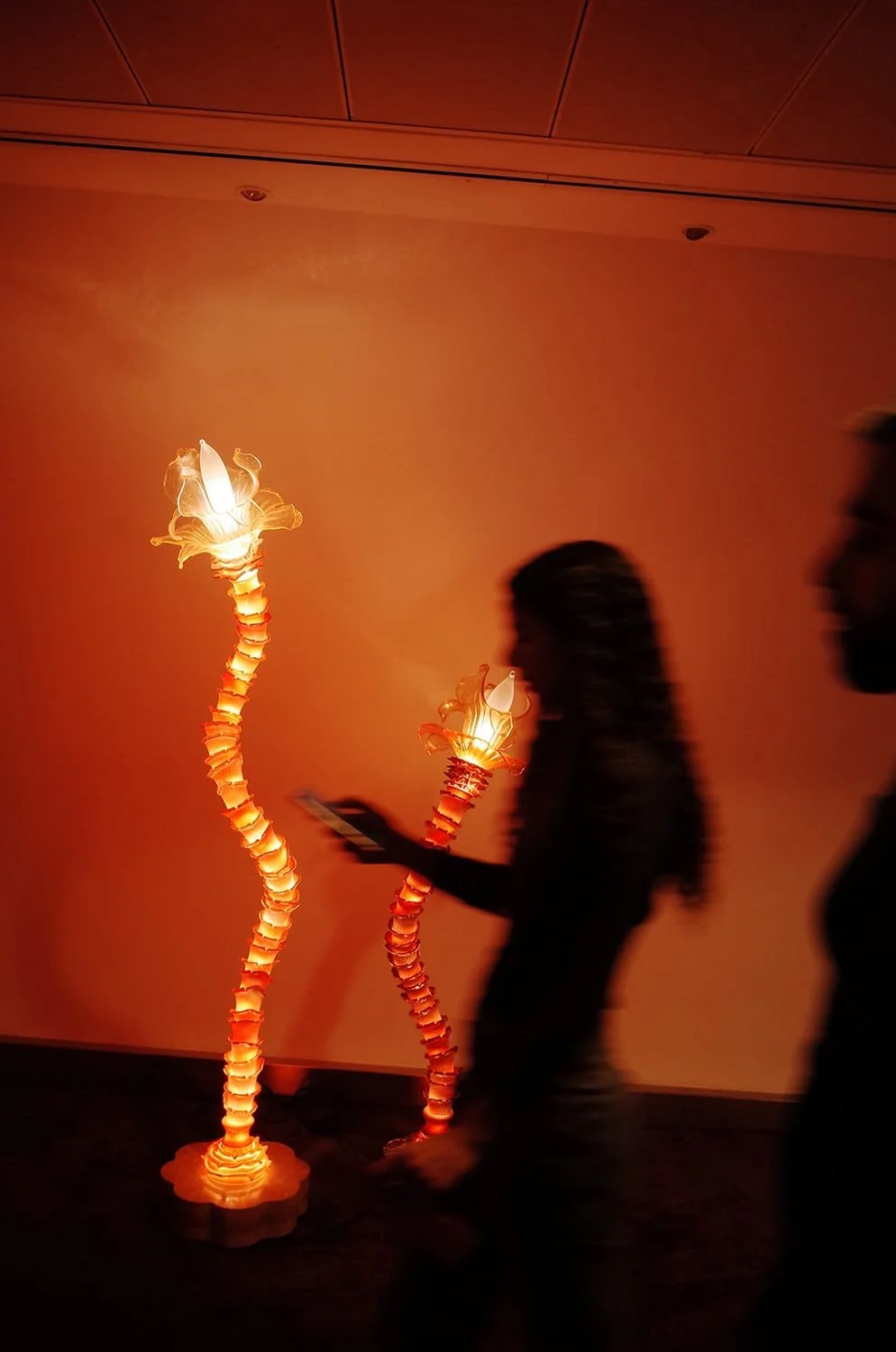
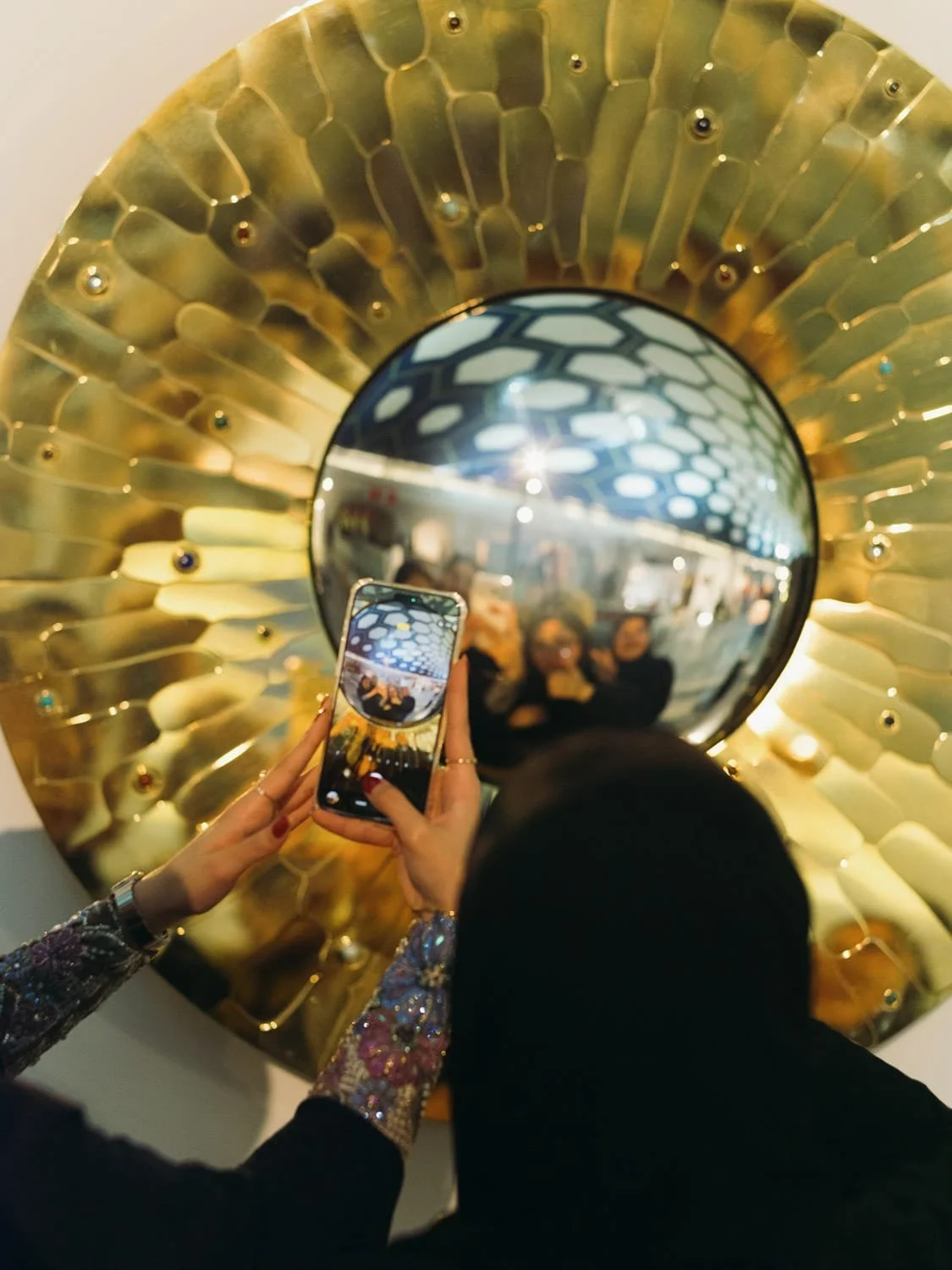
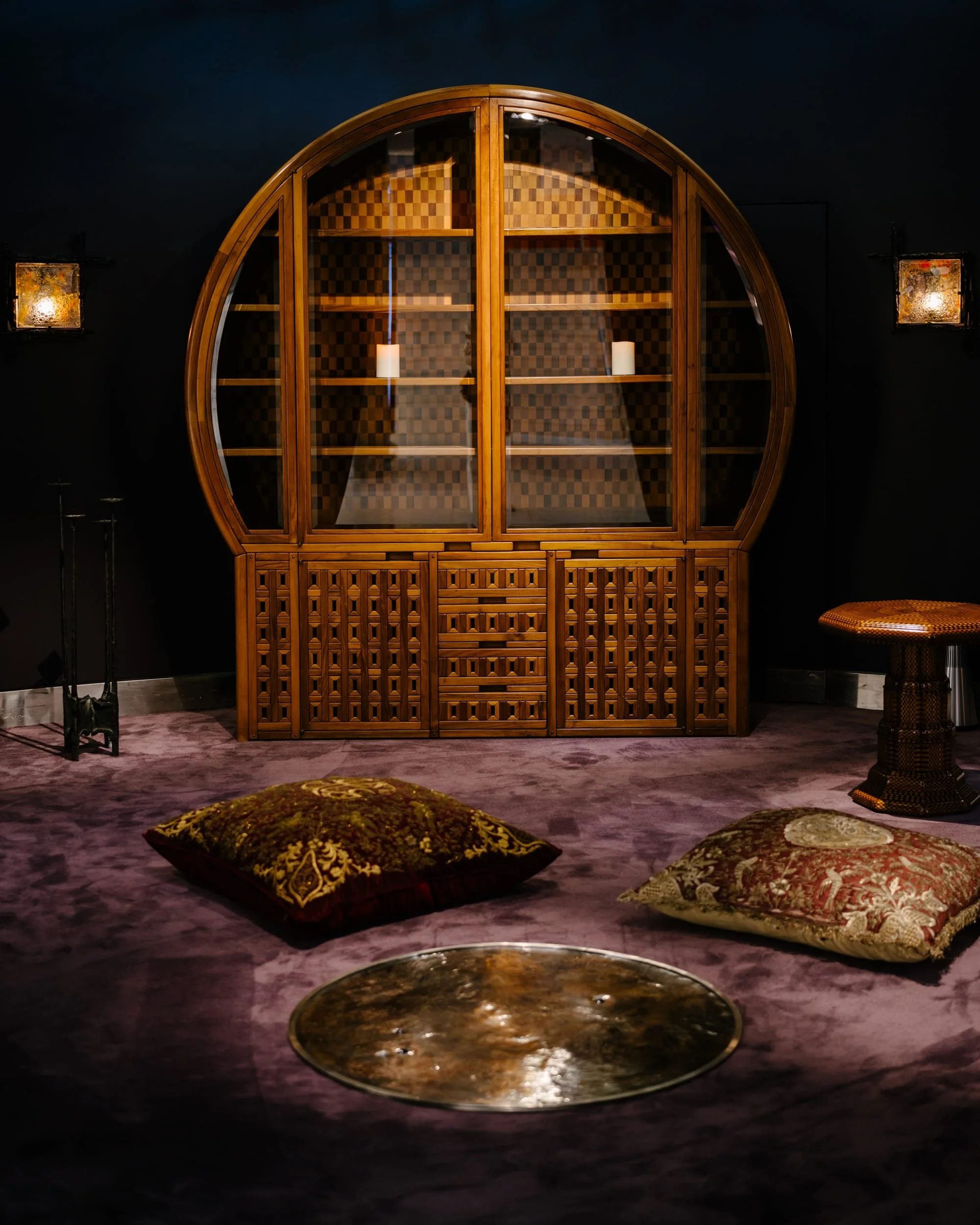
The first Abu Dhabi edition of NOMAD brought together regional traditions, Islamic aesthetics, Gulf modernism and cutting-edge contemporary design. This dialogue was reflected not only in the works presented but also in the diversity of participating galleries, many of which explored materiality, craftsmanship and cultural context through a contemporary lens.
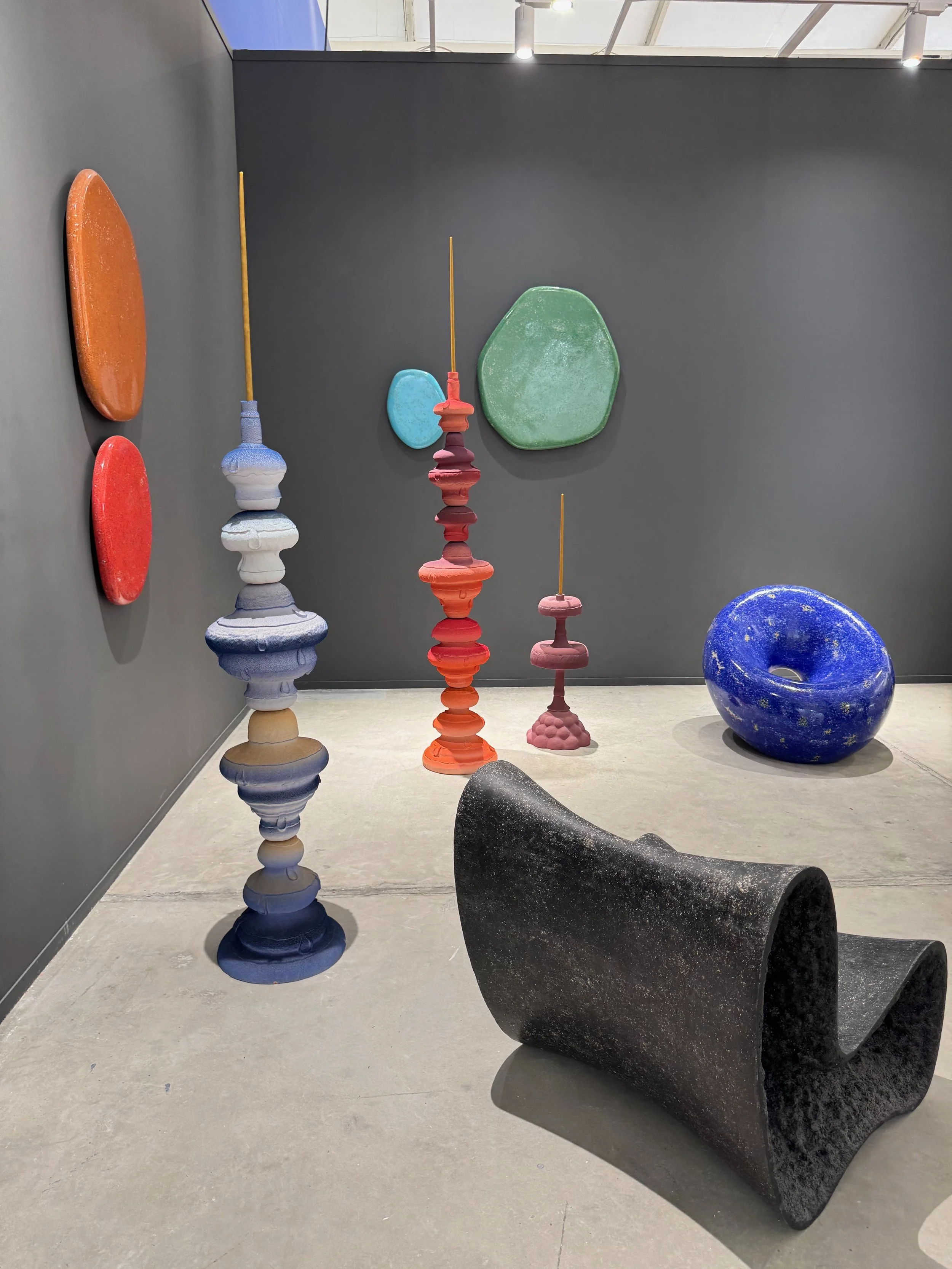
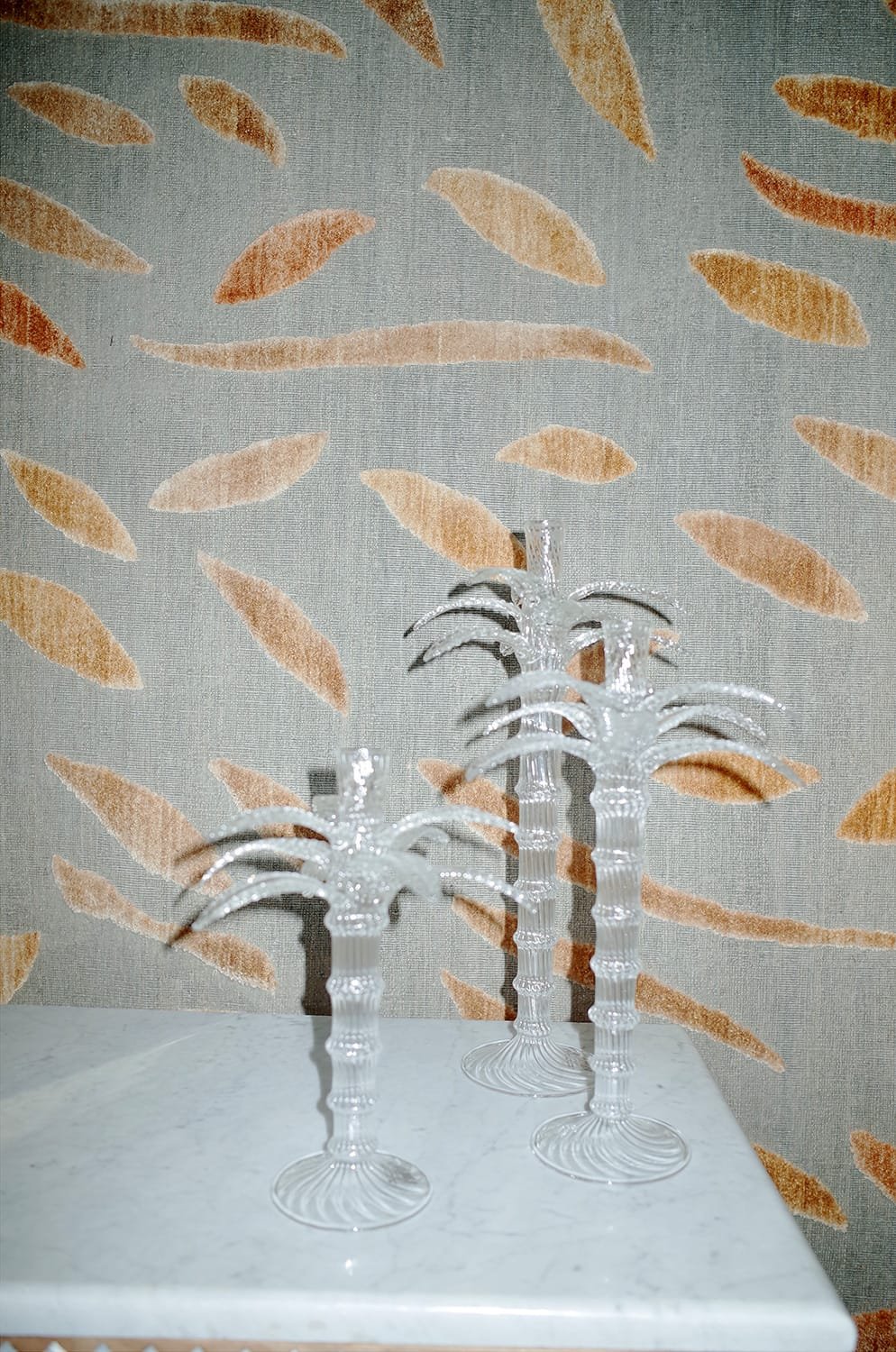
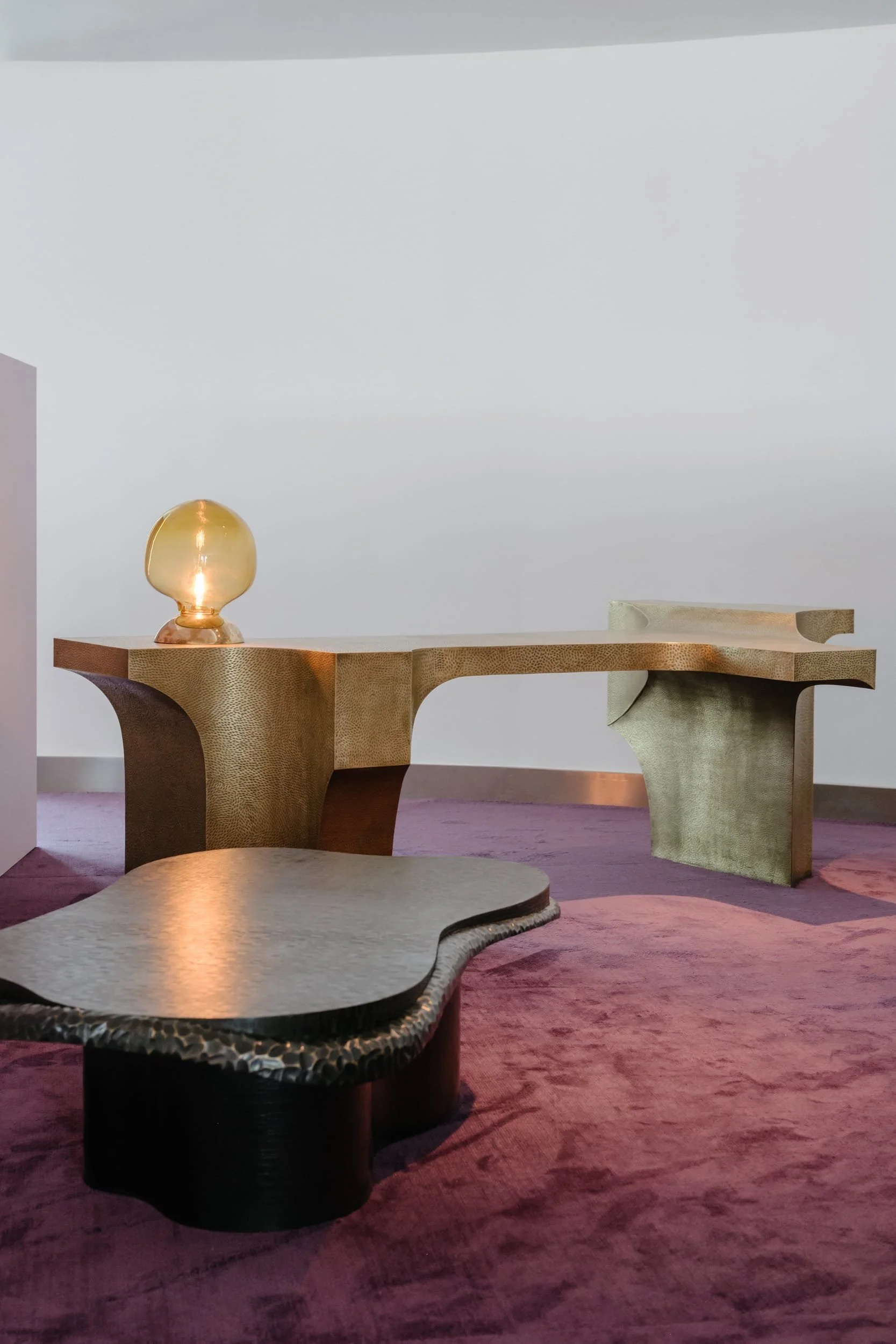
International design galleries included Nilufar (Milan), celebrated for its visionary curatorial approach and mix of vintage and contemporary pieces, and Gallery FUMI (London), which presented new works by ceramicist Jeremy Anderson and textile artist Kustaa Saksi. Galerie BSL (Paris) unveiled Gandhara Carapace by Nada Debs and Studio Lél: a series of tables and seating that combined minimalist forms with intricate marble and semi-precious stone inlay.
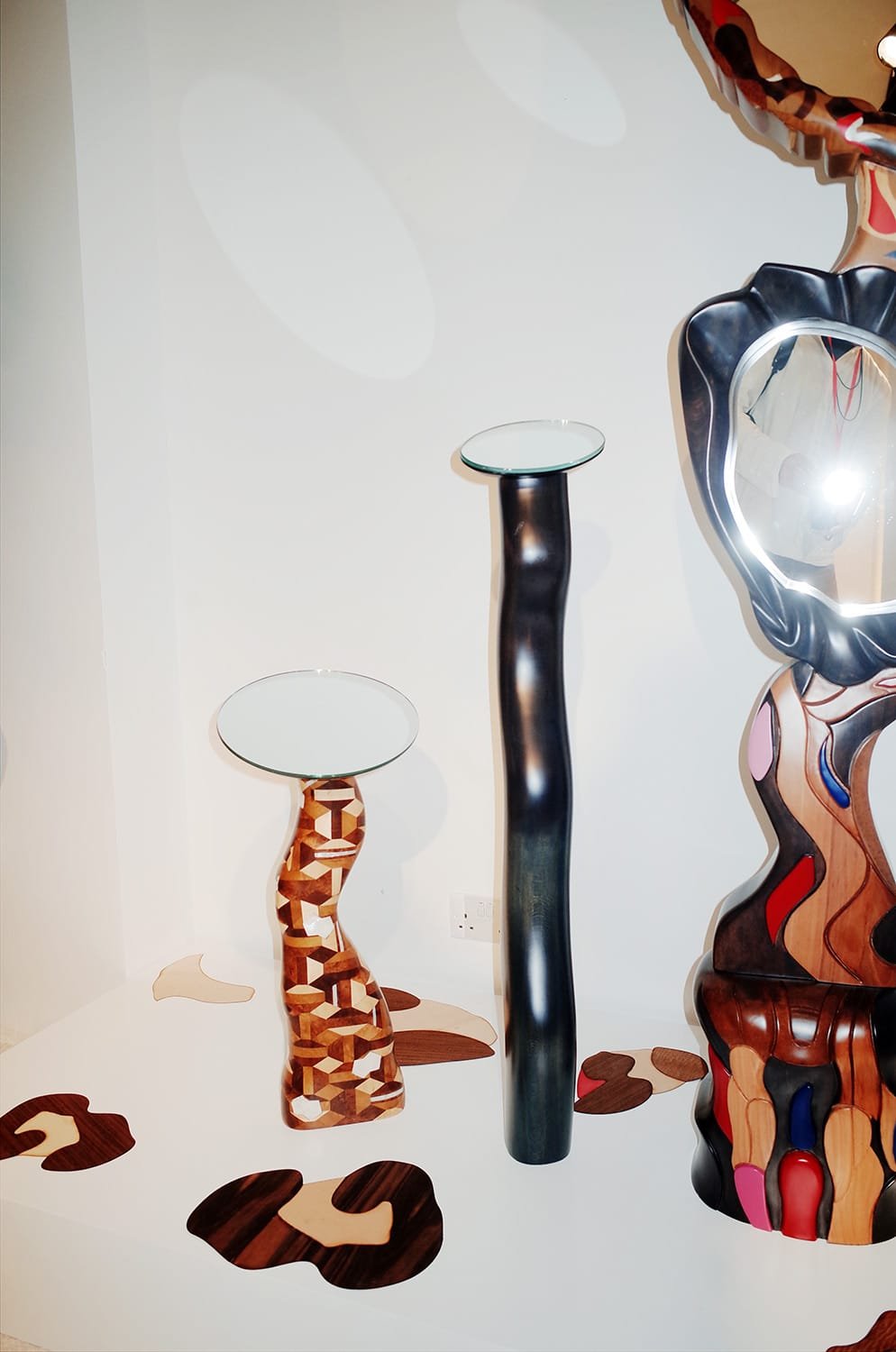
Making its debut at NOMAD, AP Room (Dubai) presented The Roots by Dubai-based Iranian artist Roham Shamekh, a sculptural collection of stools and benches with organic, root-like forms that reflected on collective human experience. Further participants included Le Lab, Contemporary Art and Design Gallery (Cairo), Gem Alf (Istanbul), Bardo Collections (Tunis), Mondavilli Scagliola (Milan), and Galerie Melissa Paul (London), each contributing a distinctive perspective shaped by place, tradition, and experimentation.
Bridging Past and Present
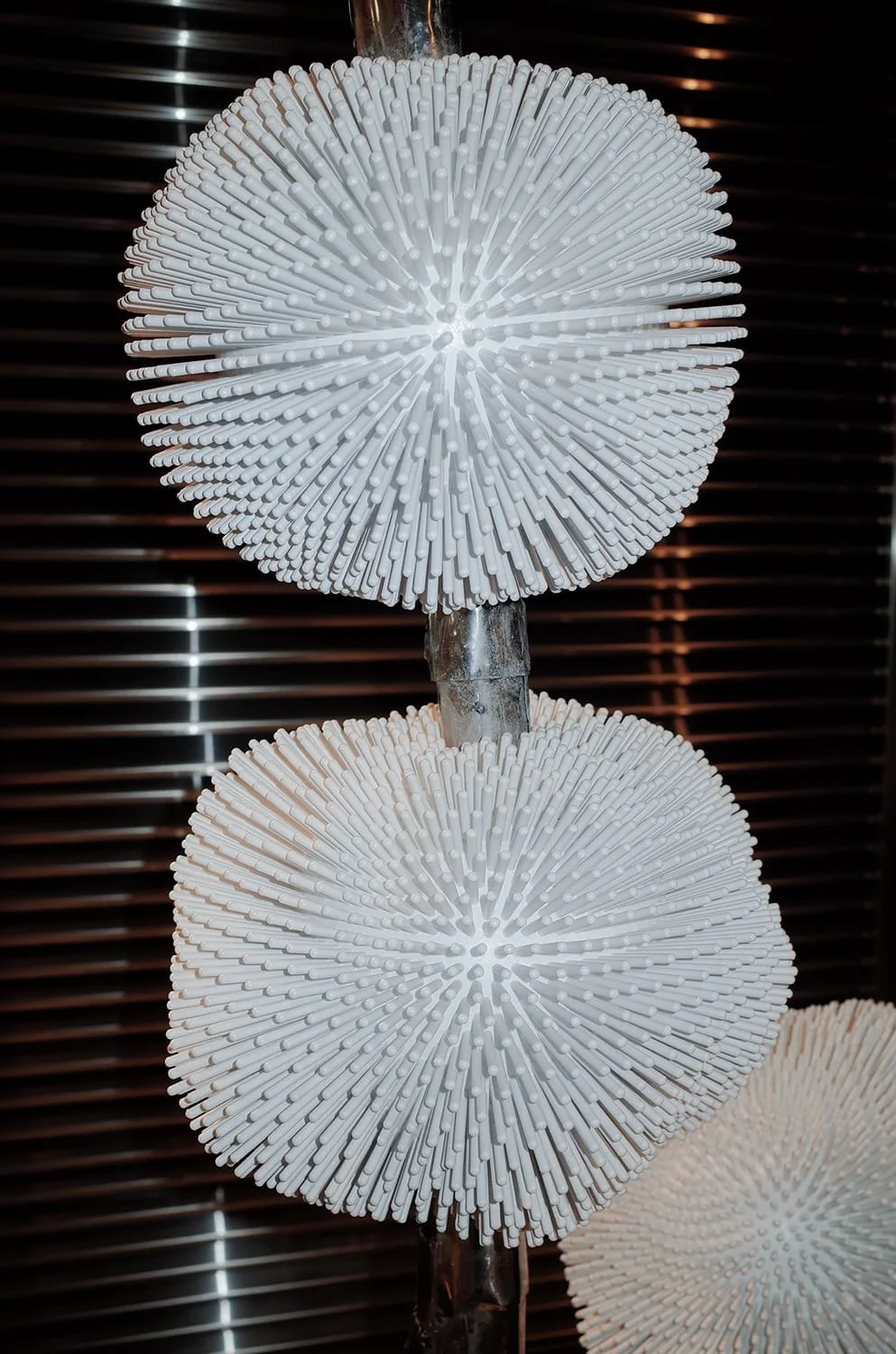
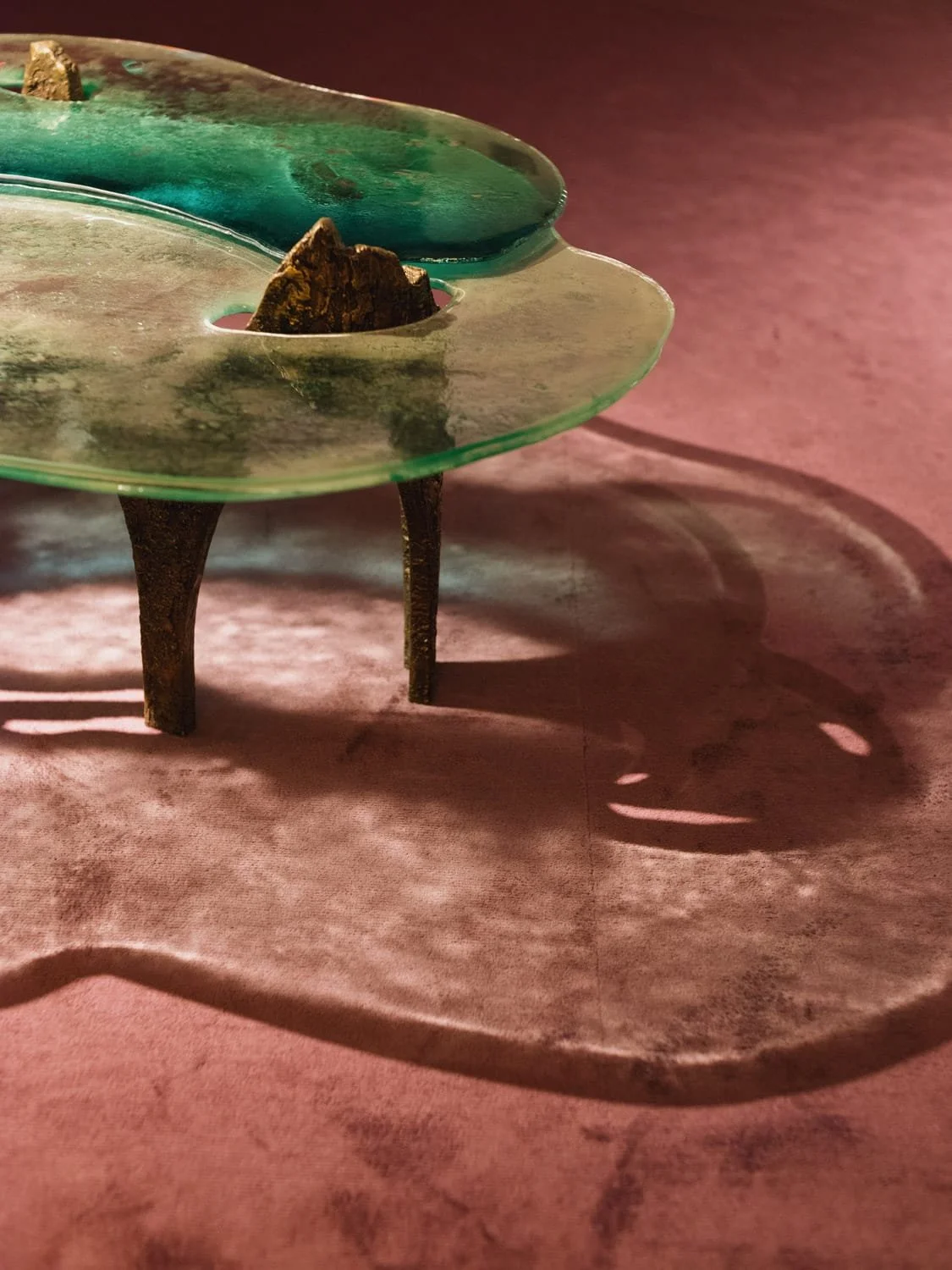
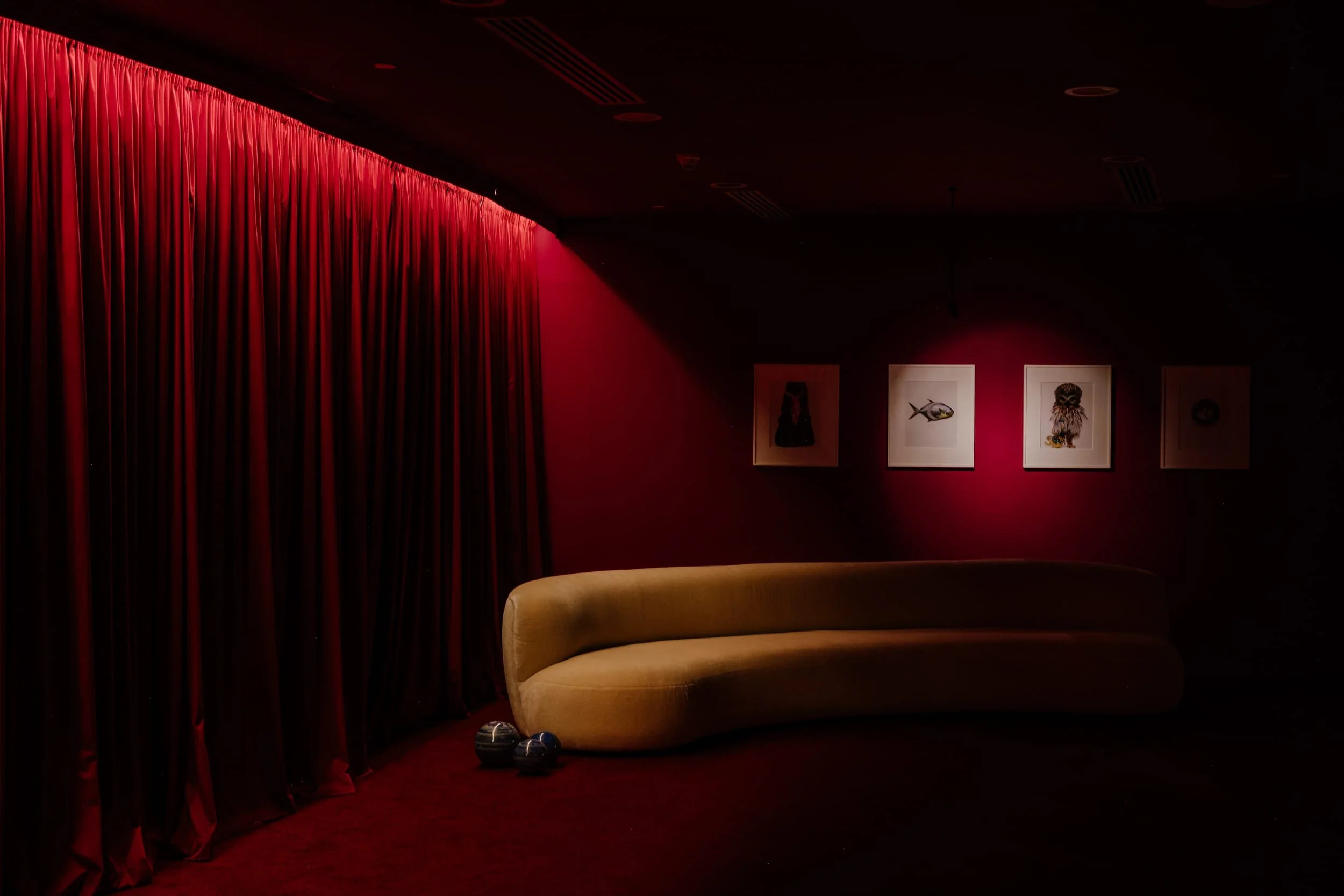
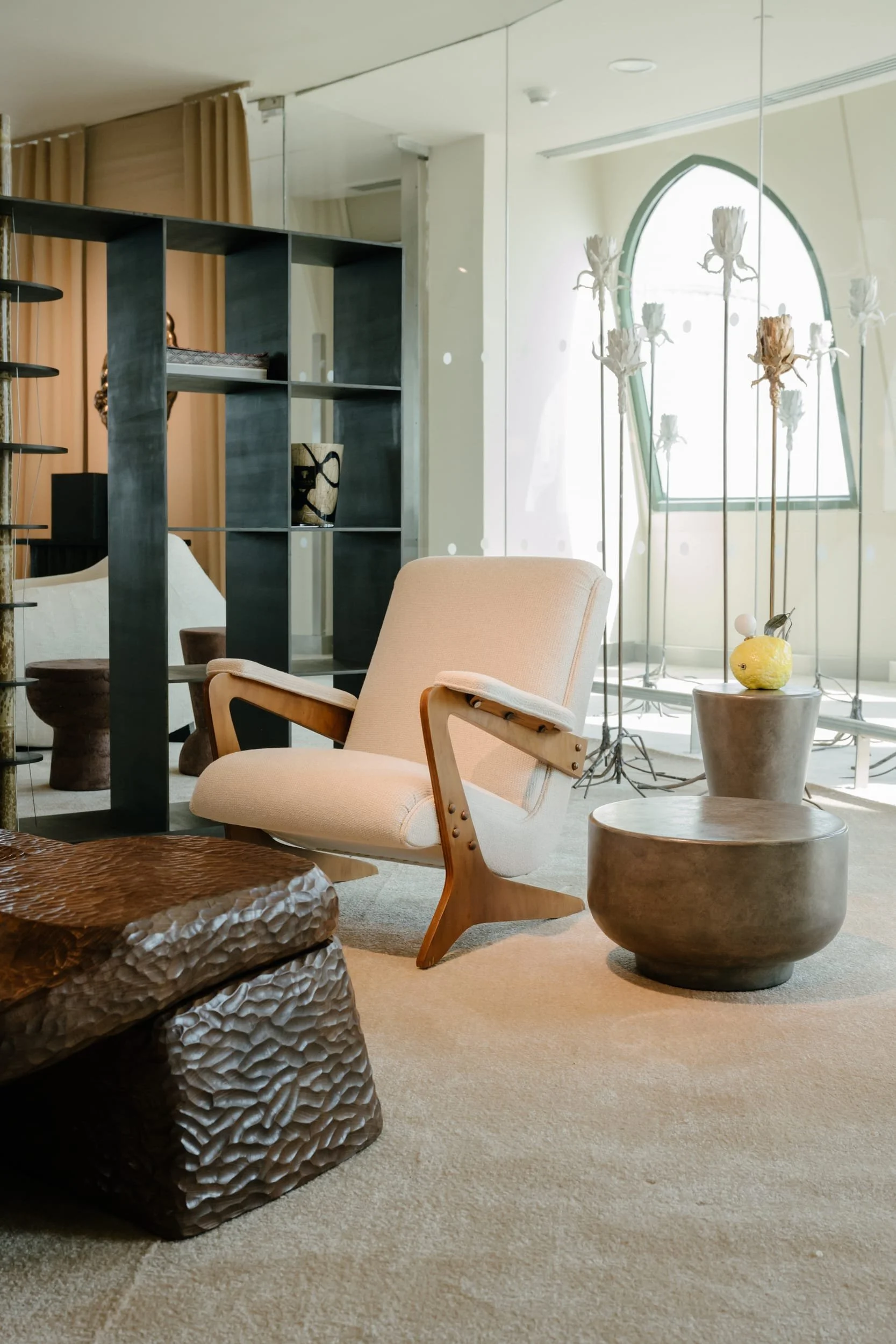
Several galleries focused on the dialogue between contemporary practice and historical masters. Stefanidou Tsoukala Gallery and Ninetto Gallery (both Athens) were joined by Robilant+Voena, Brun Fine Arts, Parsa, and Galerie Gastou, presenting curated selections that bridged past and present through a shared appreciation of form, craft, and history. These presentations reinforced NOMAD’s commitment to contextual storytelling, where objects were positioned not as isolated works, but as part of a broader cultural continuum.
Special Projects and Collaborative Installations
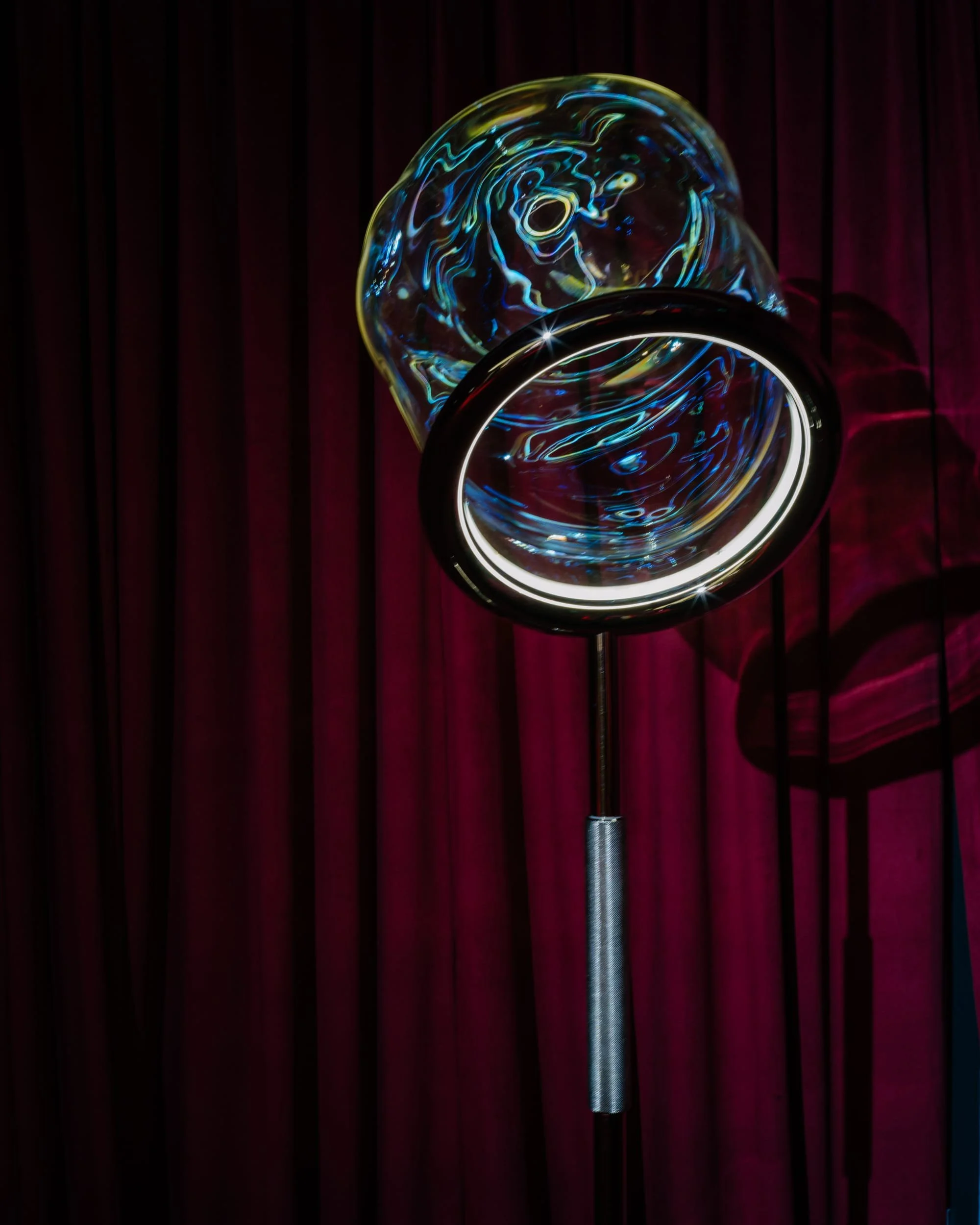
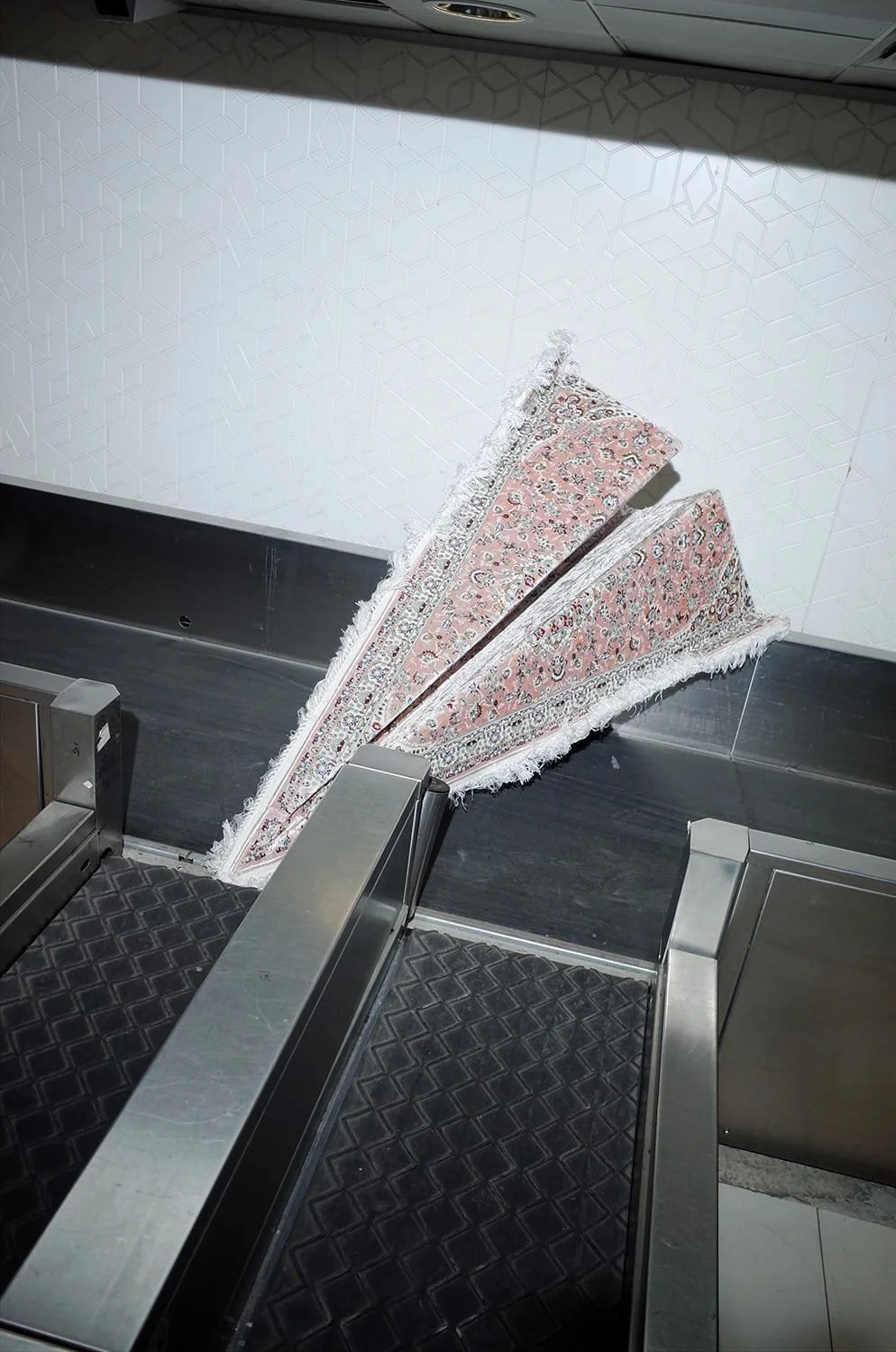
Special projects played a vital role in expanding the fair’s scope beyond gallery presentations. Irthi Contemporary Crafts Council (Sharjah) contributed works dedicated to preserving and reimagining traditional Emirati crafts, while collaborations between A.A. Murakami and TRAME, SUPER LOOP (Beirut), and Iwan Maktabi with Orient 499 explored cross-cultural narratives through art, design and material experimentation.
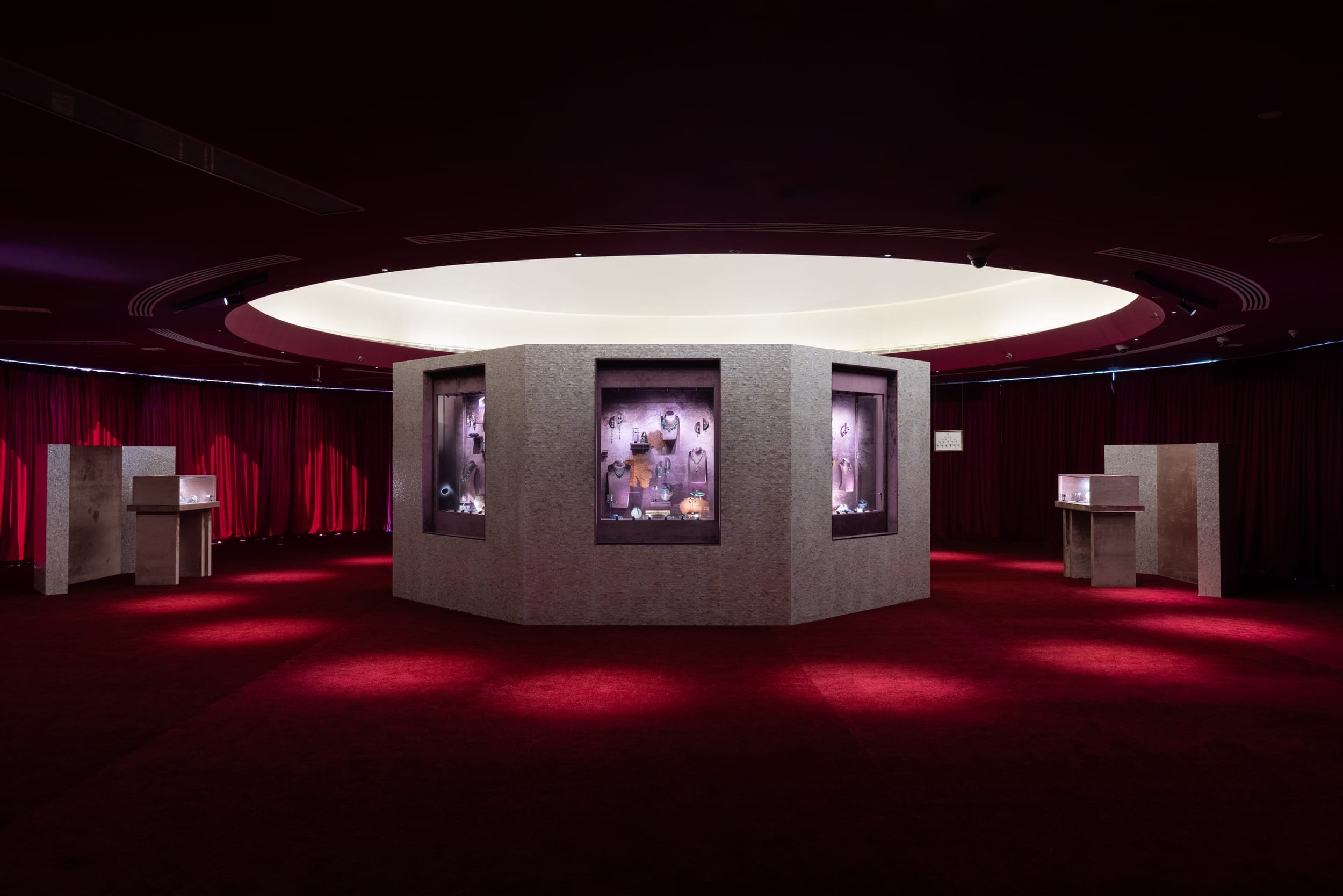
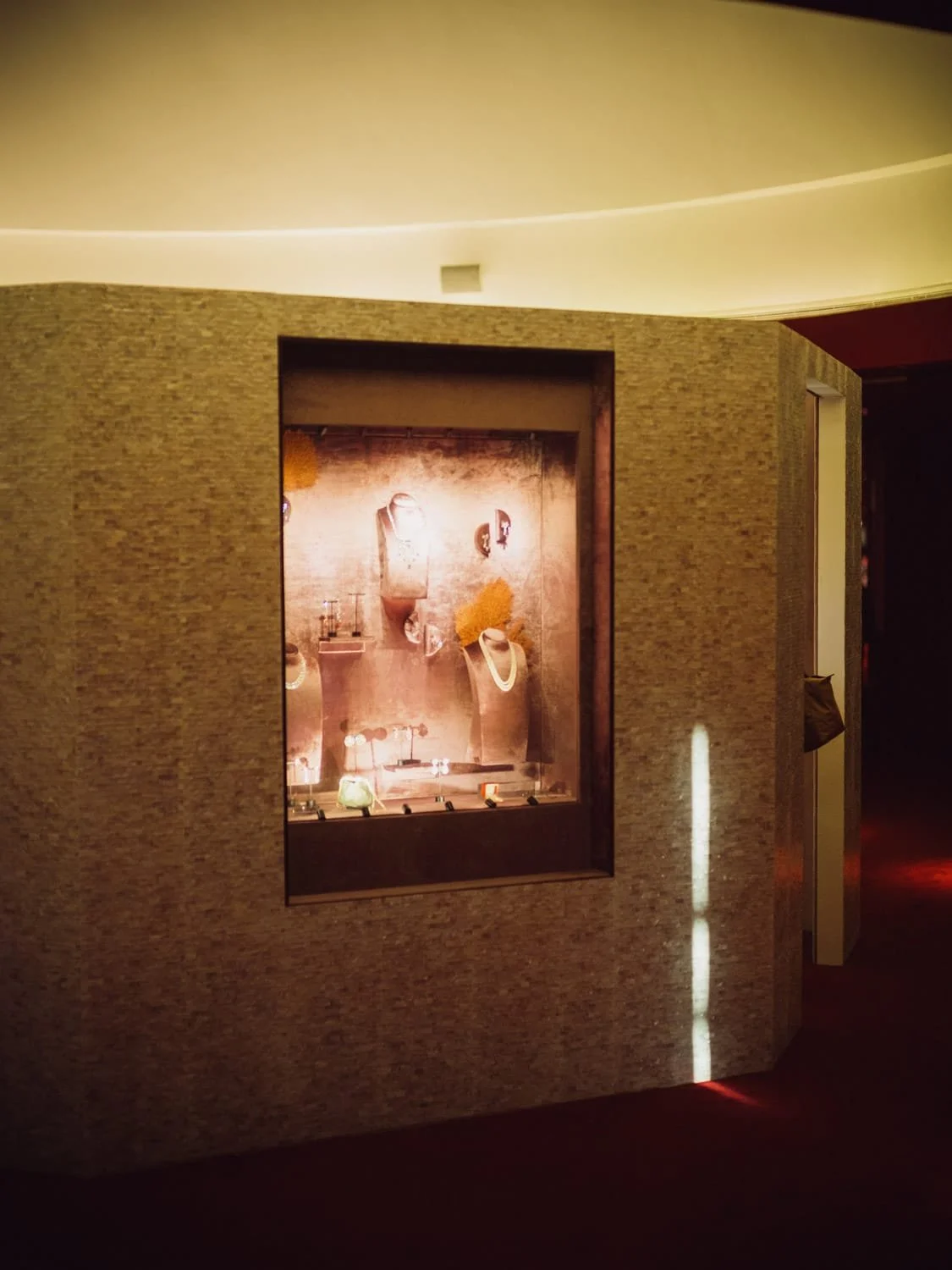
Vagujhelyi, the interdisciplinary New York-based studio of Diego Villarreal Vagujhelyi, presented sculptural works in stainless steel and bronze that examined heritage, ritual, and personal identity. A2Z Jewellery (London) further strengthened NOMAD’s growing jewellery programme, highlighting craftsmanship and wearable art within a collectible design context.
Destinations by Bottega Veneta and Maison Perrier-Jouët
Among the standout highlights was Destinations by Bottega Veneta, a curated presentation occupying a dedicated space within Terminal 1. Celebrating the 50th anniversary of the house’s iconic Intrecciato leather weave, eight designers from North Africa and the Middle East were commissioned to reinterpret the craft using their own artistic language, local materials and ancestral techniques. Curated by Rana Beiruti, the project unfolded as a journey through place, tradition and perspective, underscoring Bottega Veneta’s long-standing commitment to cultural exchange.
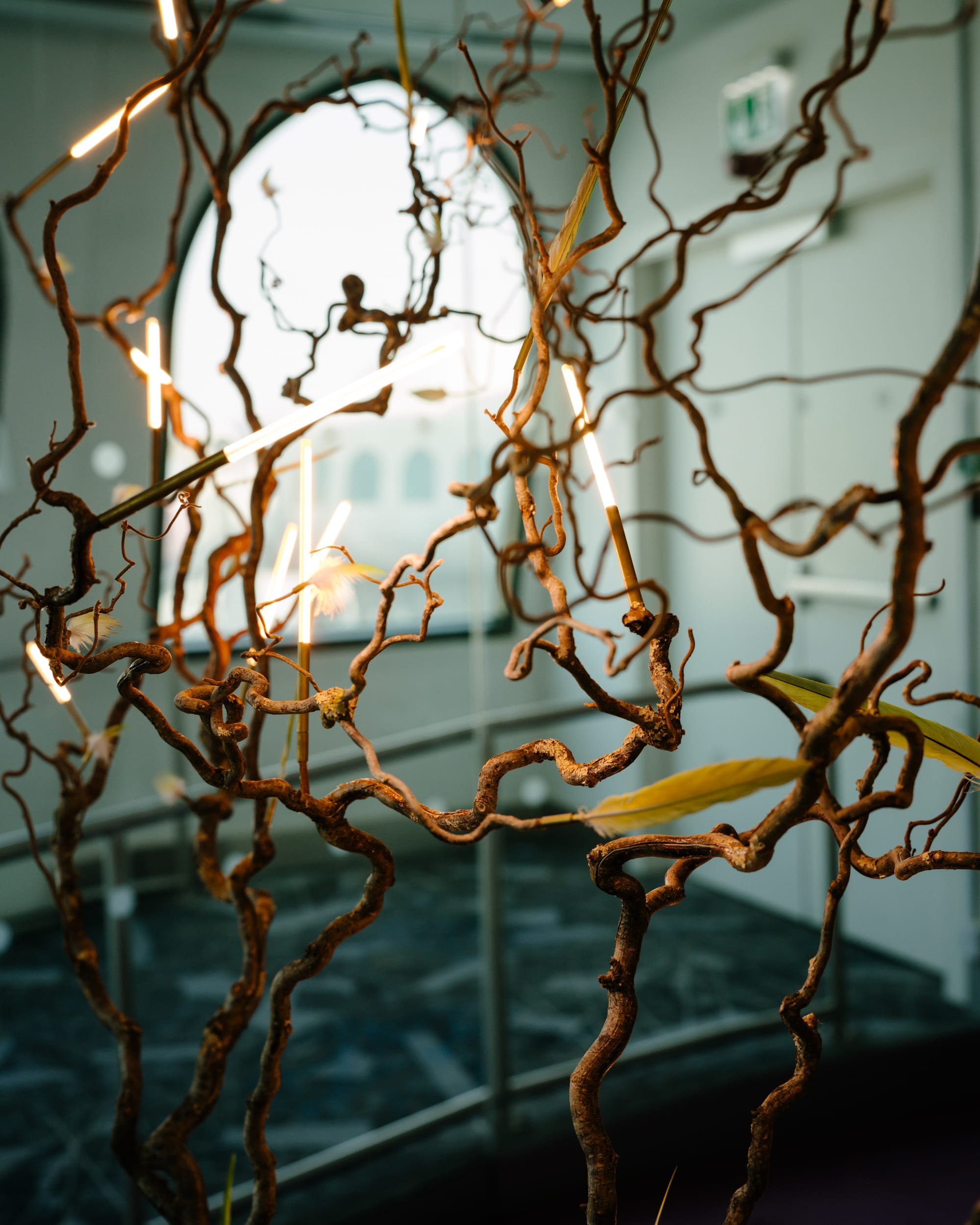
Maison Perrier-Jouët presented Cohabitare by Formafantasma, an ecological installation originally unveiled in the Maison’s historic Champagne vineyards. Adapted specifically for NOMAD Abu Dhabi, the terracotta structures planted with indigenous flora invited reflection on biodiversity, coexistence and sustainability; themes that resonated strongly within the regional and global context.
A Strategic Platform for the Region
Presented in partnership with the Department of Culture and Tourism – Abu Dhabi, NOMAD Abu Dhabi functioned not only as a design fair but also as a strategic market entry point for galleries seeking long-term engagement with the Middle East. Situated just an hour from Dubai’s established design scene, the fair benefited from a thriving regional ecosystem of creativity, patronage and commerce.
By activating an architectural treasure and situating collectible design within a deeply contextual framework, NOMAD contributed meaningfully to Abu Dhabi’s cultural narrative, reinforcing the city’s position as a global hub for art, design and cross-cultural exchange.
About NOMAD
Co-founded and directed by Nicolas Bellavance-Lecompte, NOMAD is a travelling showcase for collectible design, jewellery, art and architectural dialogue. Since its inception, NOMAD has staged acclaimed editions in Capri, St. Moritz, Monaco, Venice and Cannes, with Abu Dhabi marking a significant new chapter in its international expansion.
Conceived as a boutique alternative to conventional fairs, NOMAD is defined by its site-specific approach and carefully curated atmosphere. Each edition fosters a dialogue between artworks and their surroundings, creating intimate and immersive experiences for collectors, designers and cultural leaders. With its VIP programme offering access to private collections, architect-led tours and in-depth conversations, NOMAD has established itself as a refined yet relaxed platform for meaningful cultural exchange.